The shift from fixed registration desks to mobile, reconfigurable lobby systems is redefining what healthcare lobby furniture beyond check-in desk means for facility owners, architects, and manufacturers. As hospitals embrace concierge-style arrivals, self-check-in kiosks, and sensory-conscious zones, the furniture that populates these spaces must now support rapid reconfiguration, integrated technology, and infection control—without sacrificing durability. This article evaluates the key specification criteria and trade-offs for specifying furniture systems that go beyond the traditional desk, drawing on recent project examples and practical manufacturing insights.
Why the Check-in Desk Is Disappearing
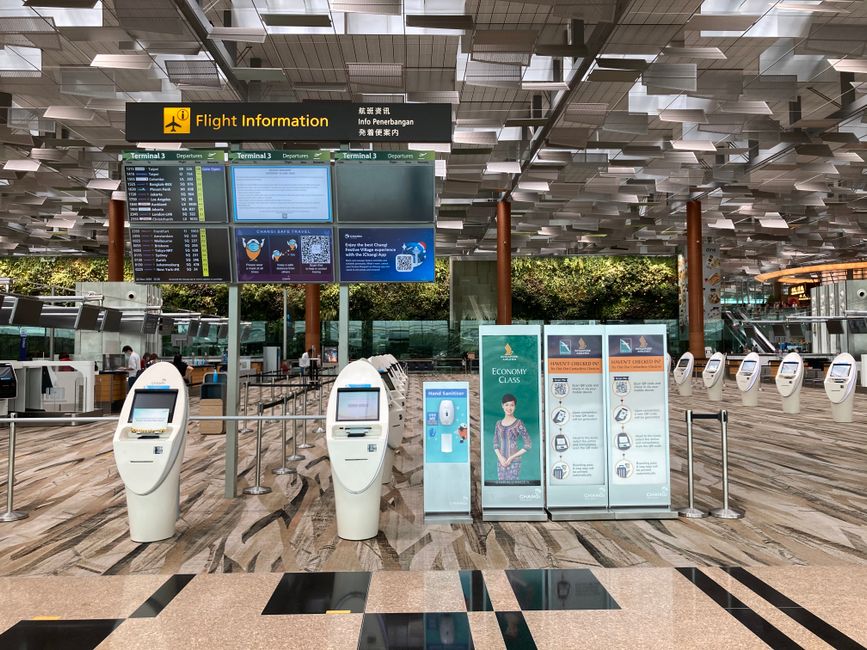
Rady Children’s Health Orange County’s new 9-story outpatient tower, opened in 2025, operates without a registration desk. Patients check in via self-service kiosks, while staff circulate with mobile concierge podiums near the entrance and key touchpoints. This is not an isolated experiment; it reflects a structural change in how hospital entry experiences are planned. According to HCD Magazine (August 11, 2026), the trend is driven by patient expectations shaped by hotels, airports, and restaurants. The lobby is now the first impression of the care environment, and owners are investing accordingly.
Learn more about our guide on hospital FFE procurement blueprint solutions.
Learn more about our guide on healthcare lobby furniture design 2026.
Consumer Expectations Drive Investment
Andrea Kingsbury, creative director at E4H Environments for Health Architecture, notes that patients compare healthcare environments to hospitality venues. This consumerism pushes owners to fund signature lobbies that blend technology and human connection. For furniture specifiers, this means a mix of lounge seating, work tables, mobile podiums, and kiosk-adjacent zones. The days of a single monolithic desk are over.
Specifying Mobile Concierge Podiums
The mobile concierge podium is the direct replacement for the fixed desk. It must be lightweight enough for two staff to reposition in under 30 minutes, yet stable enough to support a computer monitor and paperwork. Key specifications include lockable casters (typically 50mm to 75mm diameter with brakes), integrated power/data ports (at least two AC outlets and two USB-C), and height adjustability (manual or electric, with a range of 700mm to 1100mm).
Consider the trade-off between weight and stability: a podium weighing less than 40kg is easier to move but may tip when a monitor is extended. A 60kg unit with a low center of gravity and a 360-degree handle offers better stability. In our factory, we use a 1.5mm cold-rolled steel frame with a powder-coated finish, and we have shipped such units to projects in Southeast Asia and Europe.
Modular Lounge Seating for Flexibility
Lounge seating must now be reconfigurable for different arrival flows and occasional events. Modular systems with interlocking connectors allow reconfiguration without tools. Look for seat and back foam density of at least 35kg/m³ to avoid sagging under continuous use. Upholstery should be antimicrobial, meeting ISO 22196, and withstand cleaning with hydrogen peroxide or bleach solutions.
A practical benchmark: a modular lounge system with a 2-seat, 3-seat, and corner unit can be reconfigured into a waiting layout, a social zone, or an event seating arrangement within 15 minutes. This flexibility is a direct response to the need for future-proofing as technology changes.
Work Surfaces and Device-Use Postures
Lobbies now include tables that accommodate standing, seated, and device-use postures. Height-adjustable tables (electric or gas-spring) with a range of 650mm to 1250mm are ideal. They should have cable management trays and grommets to route power and data.
A common mistake is specifying office-grade tables that cannot withstand the cleaning chemicals used in healthcare. Always require surfaces with high-pressure laminate (HPL) or solid surface materials, which resist chemicals and scratches. Edge banding must be at least 2mm thick to prevent delamination.
Acoustic and Privacy Elements
Sensory-conscious zones require acoustic management and privacy screening. Integrated acoustic panels in seating clusters or freestanding screens can reduce noise levels by up to 10 dB. Use Class A sound-absorbing materials, such as 50mm thick polyester fiber panels with a NRC of 0.9. Privacy screens should be at least 1500mm high to create visual separation without blocking sightlines for staff.
We have supplied acoustic pods with integrated lighting and ventilation for a pediatric hospital in China, and the feedback was positive from both staff and families.
Materials That Withstand Cleaning and Traffic
All lobby furniture must withstand heavy commercial traffic and aggressive cleaning protocols. For casework and podiums, use minimum 18mm E0-grade MDF core with 0.6mm ABS edge banding. For seating, use 1.5mm cold-rolled steel frames with a powder-coated finish that resists chipping. Upholstery should be 100,000+ double rubs (Wyzenbeek) and antimicrobial.
A material comparison table is useful for specifiers:
| Component | Option A (Budget) | Option B (Standard) | Option C (Premium) |
|---|---|---|---|
| Podium frame | 1.2mm steel, painted | 1.5mm steel, powder-coated | 1.5mm stainless steel |
| Seat foam density | 30kg/m³ | 35kg/m³ | 40kg/m³ |
| Upholstery abrasion | 50,000 double rubs | 100,000 double rubs | 150,000 double rubs |
| Work surface | 25mm particle board with laminate | 18mm MDF with HPL | Solid surface |
The Cost Reality of Reconfigurable Lobbies
Investing in mobile, reconfigurable furniture systems has a higher upfront cost compared to fixed desks and seating. A typical mobile concierge podium with integrated power/data costs $1,500–$3,000 per unit, depending on height adjustability and material. Modular lounge seating runs $800–$1,500 per seat. In contrast, a built-in reception desk can cost $10,000–$30,000 for a single installation. However, reconfigurable systems offer long-term savings: they can be rearranged for new technology or workflows without renovation costs, which typically run $50–$150 per square foot. Over a 10-year lifecycle, the total cost of ownership may be lower.
Lead Times and Procurement Considerations
Custom lobby furniture systems typically have lead times of 6–10 weeks for manufacturing, plus shipping. If you need faster delivery, some manufacturers offer semi-custom options with shorter lead times of 3–4 weeks. Always include a mid-production inspection milestone to verify materials and workmanship.
For international projects, consider logistics risks. We have seen shipments delayed by port congestion, so factor in buffer time. Working with a manufacturer who has export experience to your region can mitigate these risks.
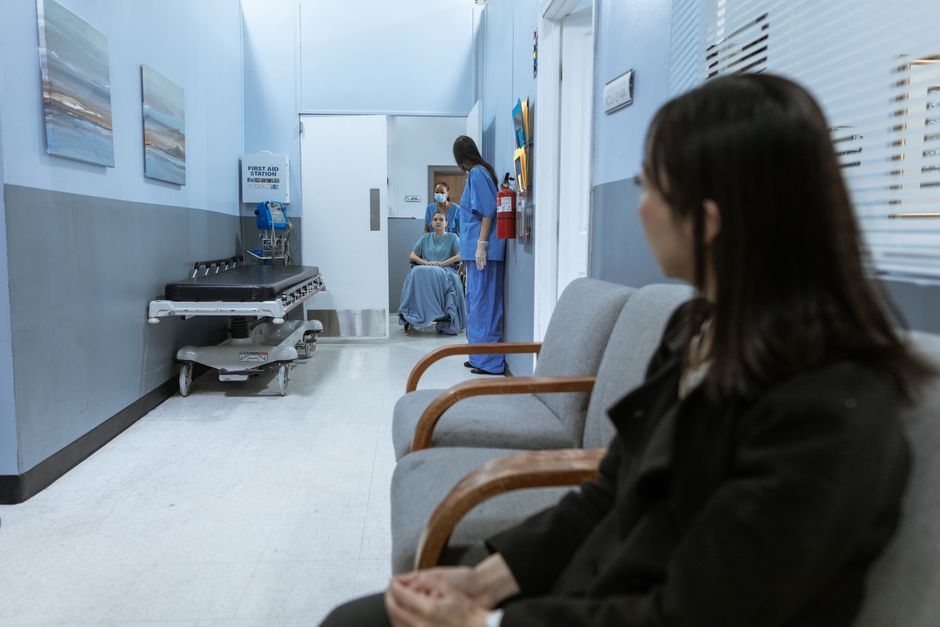
Case Studies: Lobbies Without Desks
Rady Children’s Health Orange County and the Jack & Sheryl Morris Cancer Center are prime examples. The Morris Cancer Center features a 4-story atrium with a spiral staircase that improves wayfinding and reduces stress. Michigan Medicine’s lobby includes a fireplace. These spaces are designed as brand experiences, and the furniture must match that ambition.
In our own projects, such as the Xian International Medical Center, we supplied mobile podiums and modular seating that allowed the lobby to be reconfigured for peak flow times. The facility manager reported that reconfiguration took less than 20 minutes with two staff.
Evaluating Manufacturers for Lobby Systems
When evaluating suppliers, ask for third-party QC reports at the mid-production milestone. Verify that they have shipped to your destination port before. Check certifications (CE, ISO) and request samples of materials. A manufacturer who can provide a mock-up of the lobby layout is invaluable.
We at ZHOBAI Medical Furniture offer a lobby space-planning service that maps kiosk placement, staff observation lines, and furniture configurations. This service helps avoid costly mistakes during installation.
Future-Proofing Your Lobby Furniture Investment
The trend toward desk-free lobbies is not a passing fad. As technology evolves, the ability to reconfigure furniture quickly will become a competitive advantage. Specify furniture that is lightweight, lockable, and modular. Consider integrated power and data in every piece. And always prioritize materials that can withstand cleaning protocols.
Healthcare lobby furniture beyond check-in desk is not just a product category; it is a strategic investment in patient experience and operational flexibility. By following the evaluation criteria outlined here, you can make informed decisions that serve your facility for years to come. As we move forward, the lobby will continue to evolve, and the furniture must evolve with it.
ZHOBAI Medical Furniture
Ready to Apply These Principles to Your Project?
Our engineering team responds to all project briefs within 24 hours. Share your FF&E scope — room count, property type, target timeline, and budget range — and we’ll provide a factory-direct assessment and indicative pricing within one business day.