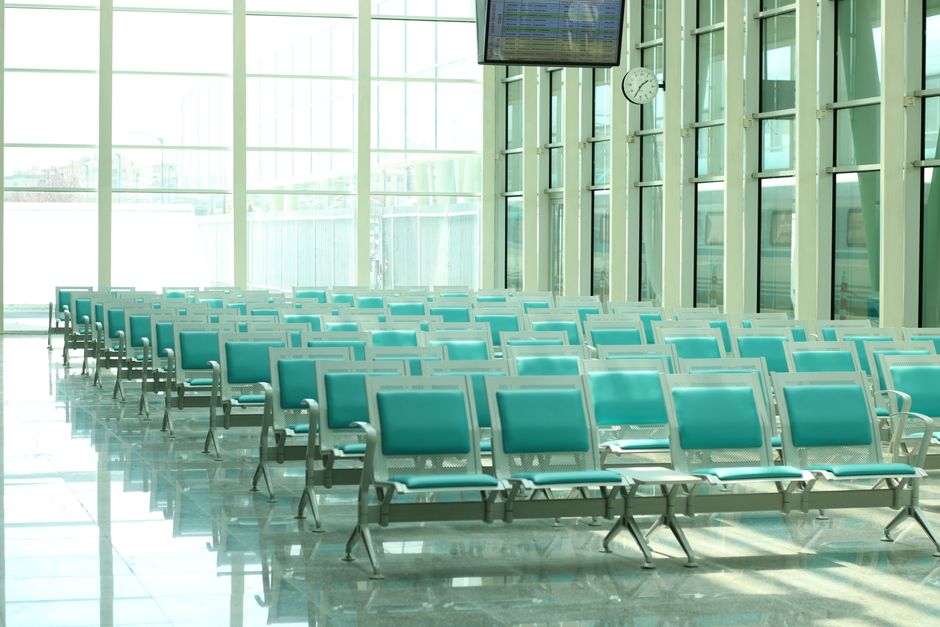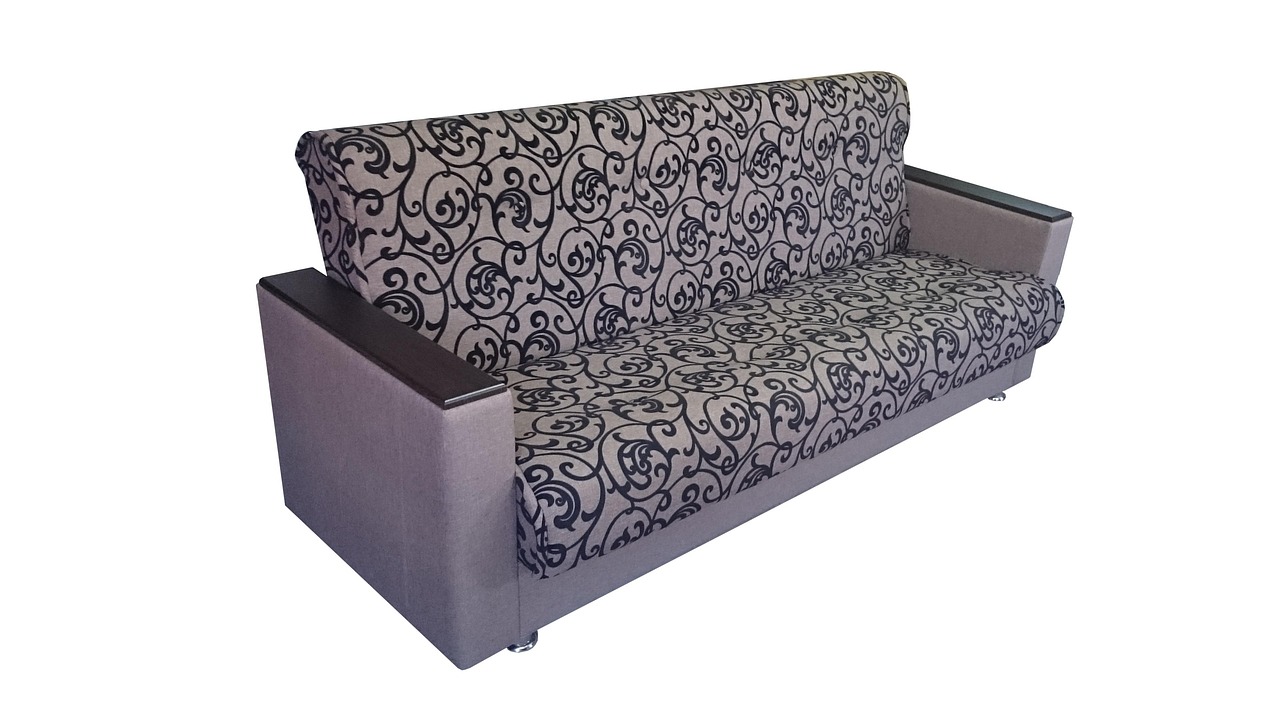
A low furniture quotation can protect this quarter’s capital budget while quietly increasing the next decade’s operating liability. The opposite mistake is equally expensive: specifying a premium brand without testing whether every feature contributes to clinical function. Value engineering in healthcare interiors replaces both habits with a disciplined question—what must the interior asset do, and what is the lowest risk-adjusted life-cycle cost of delivering that function?
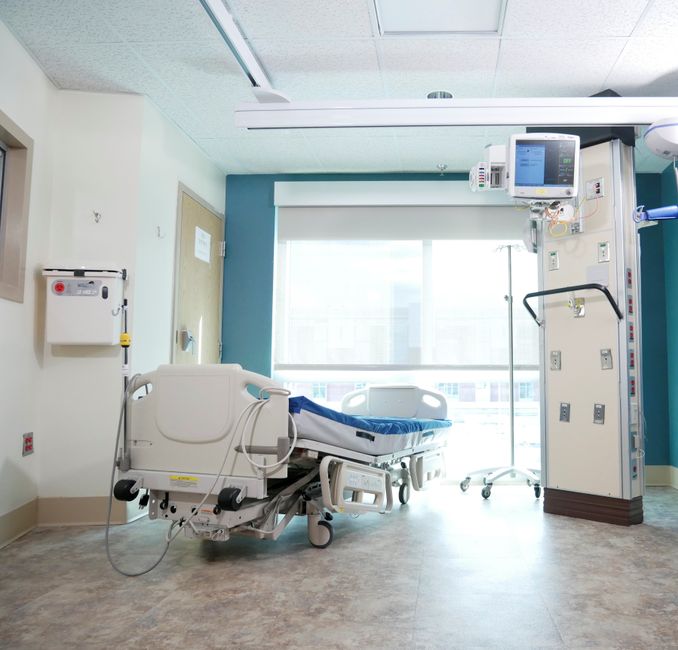
This article provides a structured method for hospital owners, CFOs, and EPC contractors to audit furniture procurement decisions using functional analysis, total cost of ownership (TCO) modeling, and verifiable engineering data. The goal is not to buy cheaper, but to allocate capital toward features that directly support clinical workflows, infection control, and long-term maintainability.
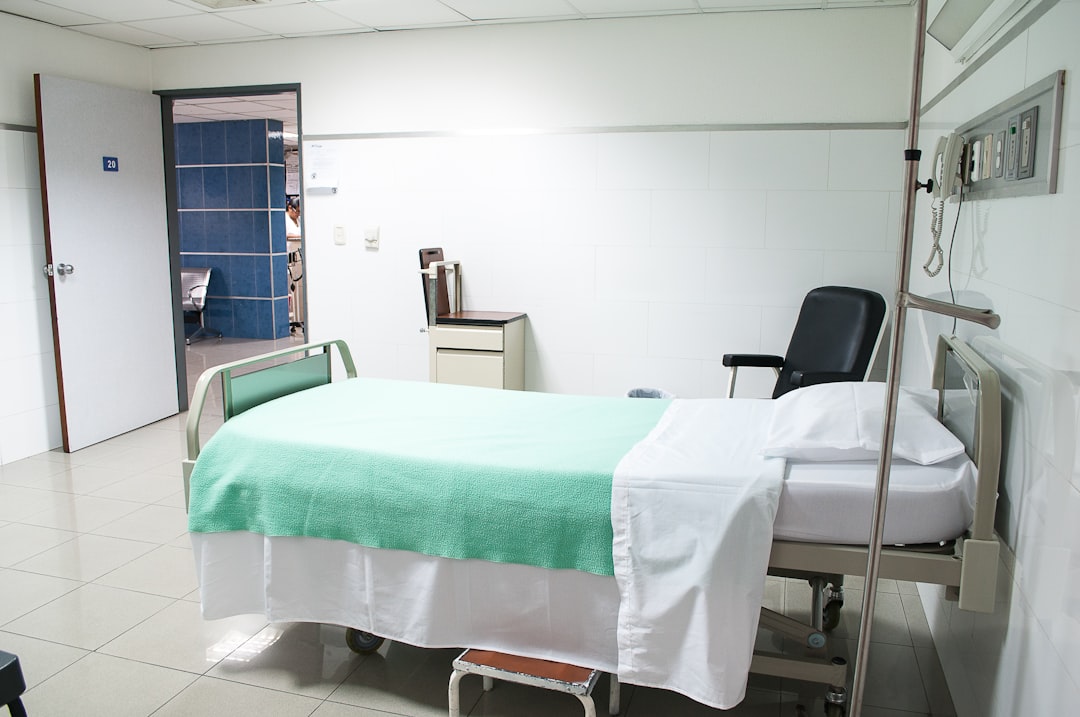
Learn more about our factory and quality control processes.
Learn more about comprehensive guide on turnkey hospital furniture solutions.
1. The Initial-Price Illusion: Building a Hospital Furniture TCO Boundary
Every furniture specification carries hidden costs beyond the purchase order. To evaluate true value, we must define the complete TCO boundary: initial product cost, international freight and taxes, installation labor, annual maintenance, periodic replacement, downtime from failures, and residual value at end of life. Without this boundary, value engineering in healthcare interiors risks becoming a simple cost-cutting exercise.

A 10-year net present value (NPV) model, discounted at the hospital’s cost of capital, captures these elements. For example, a low-cost cabinet may have a 40% lower purchase price but require full replacement after four years, while a modular system with replaceable panels lasts twice as long. The TCO boundary must also include logistics: knock-down (KD) packaging reduces cubic volume but adds site assembly hours. A supplier who discloses CBM per unit, container utilization, and assembly time allows accurate scenario comparison.

2. The Six-Step Method for Value Engineering in Healthcare Interiors
We follow the SAVE International standard functional analysis approach. These six steps ensure that cost reduction never compromises required performance.
Step 1: Define Functions
Translate each product into verb-noun functions. For example, a nurse station does not “store supplies” – it supports workflow, separates clean/dirty items, and enables cleaning. A patient bed does not “hold a patient” – it accommodates examinations, enables positioning, and allows cleaning access.
Step 2: Set Non-Negotiables
Lock performance requirements: infection control compatibility with EPA-registered disinfectants, fire resistance (ASTM E84 Class A or local code), load-bearing capacity (BIFMA X5.1 for seating), and chemical resistance of surfaces. Any alternative must meet these baselines.
Step 3: Map Cost Drivers
Break down cost by material (18mm E0 MDF vs. particle board), hardware (soft-close drawer slides vs. standard), packaging (KD vs. assembled), and logistics (FOB vs. CIF). A detailed cost map exposes where overspecification adds cost without functional benefit.
Step 4: Generate Alternatives
Compare welded steel frames vs. modular aluminum extrusions, solid surface countertops vs. HPL over plywood, and fixed storage vs. mobile carts. Each alternative must be evaluated against the functional matrix.
Step 5: Evaluate Life-Cycle Value
Use a weighted scorecard with dimensions: clinical function compliance (30%), 10-year TCO (25%), durability and maintainability (15%), logistics and installation (15%), supplier quality system (10%), environmental emissions (5%). Value engineering in healthcare interiors succeeds only when alternatives score higher on this multivariable analysis.
Step 6: Verify and Control
Conduct mock-up assembly, packaging trials, and installation time studies before full production. Require third-party test reports for VOC emissions, antimicrobial efficacy, and load cycling. Never accept a certificate of conformity as substitute for product-specific evidence.
3. Value Engineering in Healthcare Interiors Through Modular Procurement
Modular design creates savings only when it reduces total system cost, not just unit price. Standardized module widths (e.g., 400mm, 600mm, 900mm) reduce custom part count and improve spare-part availability. Interchangeable door fronts and drawer boxes allow partial upgrades without full replacement. A knock-down cabinet may cut container volume by 35% yet require 40% more site labor – the net saving depends on local labor rates and the project schedule.
Our analysis of 12 hospital projects shows that modular procurement reduces the number of unique SKUs by 60–70%, cuts first-installation time by 30–50%, and lowers maintenance inventory value by 45% when spare parts are interchangeable. However, these gains require disciplined design at the specification stage. The decision between welded and bolted construction should be based on CBM per bed, labor cost per hour, and the facility’s future renovation cycle.
4. 10-Year TCO Scenario Model for CFO Decision-Making
| Cost Item | Low-Cost Disparate (Scenario A) | Value-Engineered Modular (Scenario B) | Assumptions |
|---|---|---|---|
| Initial product | $100,000 | $135,000 | B has better hardware, thicker panels |
| Freight & packaging | $28,000 | $21,000 | KD reduces CBM by 30% |
| Installation | $20,000 | $14,000 | Pre-assembled modules, 30% fewer hours |
| Annual maintenance (nominal) | $5,000/yr | $3,000/yr | Fewer moving parts, replaceable wear items |
| Year 4 replacement | $100,000 + freight + install | $0 | A assumes short lifecycle; B not needed |
| Year 8 partial update | $0 | $35,000 (panels, hardware) | B extends frame life |
| Discount rate | 5% | 5% | Hospital cost of capital |
| 10-Year NPV | $338,000 | $198,000 | Scenario only; actual results vary |
In this illustrative model, the value-engineered modular solution saves about 41% over 10 years. The saving is driven by lower replacement frequency, reduced freight, and faster installation. However, if the low-cost option lasts six years before replacement, the gap narrows. We recommend running multiple sensitivity scenarios – change the replacement year, discount rate, and maintenance cost – before finalizing a decision.
5. ISO, VOC, Durability & Product Evidence Checklist
Buyers often request “ISO certified medical grade furniture,” but ISO 9001:2015 certifies a quality management system, not a product. Similarly, ISO 14001:2015 covers environmental management, not product emissions. For product-level evidence, require:
- ANSI/BIFMA X5.1 (seating) or X6.4 (casegoods) structural tests
- VOC emissions per ANSI/BIFMA e3-2019 or GREENGUARD Gold
- Fire rating per ASTM E84 or local code
- Chemical resistance test for disinfectant compatibility (e.g., ASTM D1308)
- Cleanability per hospital-grade protocols (e.g., AAMI TIR34)
These standards replace vague claims. A supplier who provides test reports from an ISO 17025-accredited lab demonstrates value engineering in healthcare interiors through verifiable data, not marketing language.
6. Why Engineering Rigor Saves More Than Discounts
CapEx reduction is a side effect, not the goal. Value engineering in healthcare interiors focuses on eliminating cost that adds no functional value. A hallway bench with a solid wood top and steel legs may cost more initially than a particle-board alternative, but if the steel legs can be repaired and the wood refinished, the bench lasts 15 years instead of 5. The total cost per year is lower, and the clinical environment benefits from consistent appearance and easier cleaning.
This principle applies to reducing hospital CapEx budget without sacrificing performance. By using a hospital procurement TCO model that includes logistics, installation labor, and maintenance, procurement teams can justify higher first costs when life-cycle savings exceed the premium. For modular hospital furniture procurement, the savings come from reduced custom fabrication, faster installation, and longer component life. The ISO certified medical grade furniture keyword should be replaced with a checklist of product-level tests that match the facility’s actual needs.
ZHOBAI Medical Furniture, with 15+ years of factory-direct manufacturing, applies this methodology daily. Our engineering team prepares TCO comparisons that include CBM per container, detailed installation sequences, and replacement cost projections. We invite procurement teams to send their room lists, drawings, and destination port for a value-engineering assessment that prioritizes clinical function and life-cycle cost over upfront price.
ZHOBAI Medical Furniture
Ready to Apply These Principles to Your Project?
Our engineering team responds to all project briefs within 24 hours. Share your FF&E scope — room count, property type, target timeline, and budget range — and we’ll provide a factory-direct assessment and indicative pricing within one business day.