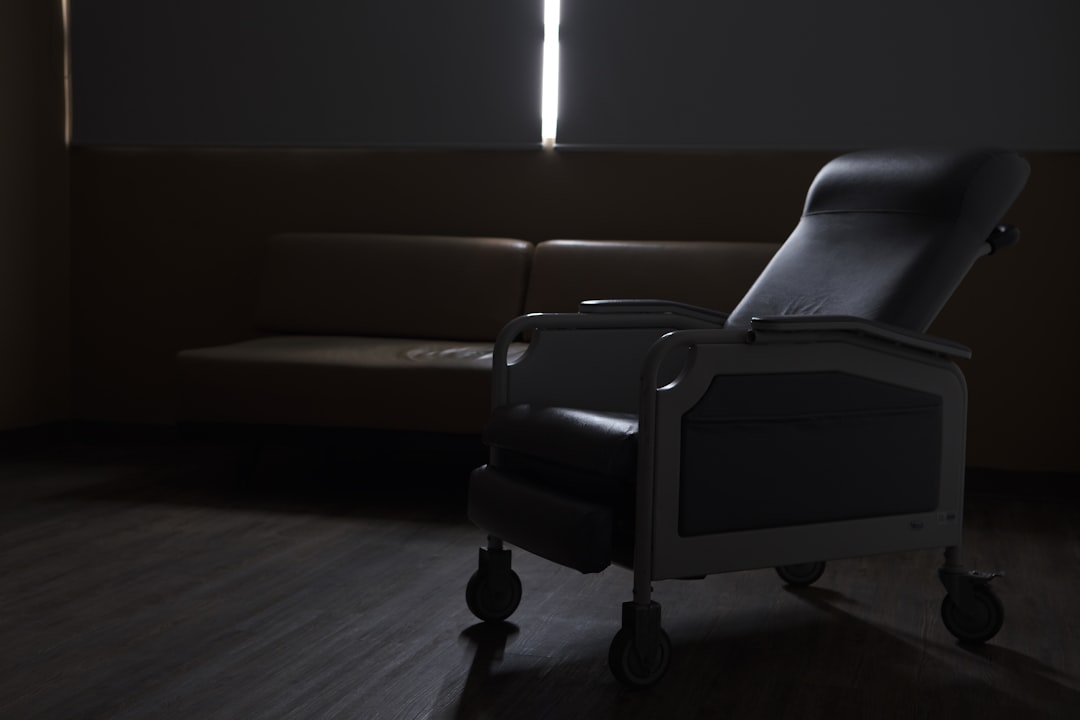
The new EN ISO 15883-7:2026 standard, published on June 1, 2026, specifies requirements for washer-disinfectors used for durable medical items, including bed frames, bedside tables, transport carts, surgical tables, and wheelchairs. For overseas buyers engaged in medical furniture sourcing, this standard is not just a technical update—it directly affects material selection, design, and compliance under the EU Medical Device Regulation (MDR) 2017/745. This article provides a practical framework to evaluate suppliers and ensure your sourced products can withstand automated washing and disinfection processes, avoiding costly compliance issues at market entry.
Table of Contents
- What EN ISO 15883-7:2026 Covers and Why It Matters
- How the Standard Impacts Medical Furniture Design and Materials
- Compliance Requirements Under EU MDR 2017/745
- Key Considerations for Sourcing from Chinese Suppliers
- Verification Steps for Buyers
- Comparing Materials and Construction for Washer-Disinfectors
- Supplier Qualification: What to Ask Before You Order
- Contractual and Documentation Essentials
- Frequently Asked Questions
- Final Checklist for Your RFQ and Audit
What EN ISO 15883-7:2026 Covers and Why It Matters
The standard, published on June 1, 2026, is the first to specifically address washer-disinfectors for durable medical items. It defines performance requirements for cleaning and disinfection cycles, including temperature, chemical dosing, and drying efficacy. The scope explicitly includes bed frames, bedside tables, transport carts, surgical tables, and wheelchairs—items that are frequently part of hospital furniture procurement. According to the Institute for Standardization of Montenegro, the standard is harmonized under the EU MDR 2017/745, making compliance essential for market access in the European Economic Area.
Why should a medical furniture buyer care? Because furniture that cannot withstand automated washing and disinfection will fail prematurely, leading to infection control risks and replacement costs. The standard sets measurable criteria—such as temperature resistance up to 90°C and chemical exposure—that furniture must endure. For example, a bedside table with a particleboard core that swells under steam will not pass the standard’s durability tests. Buyers must ensure their suppliers design products that can survive these cycles without structural degradation.
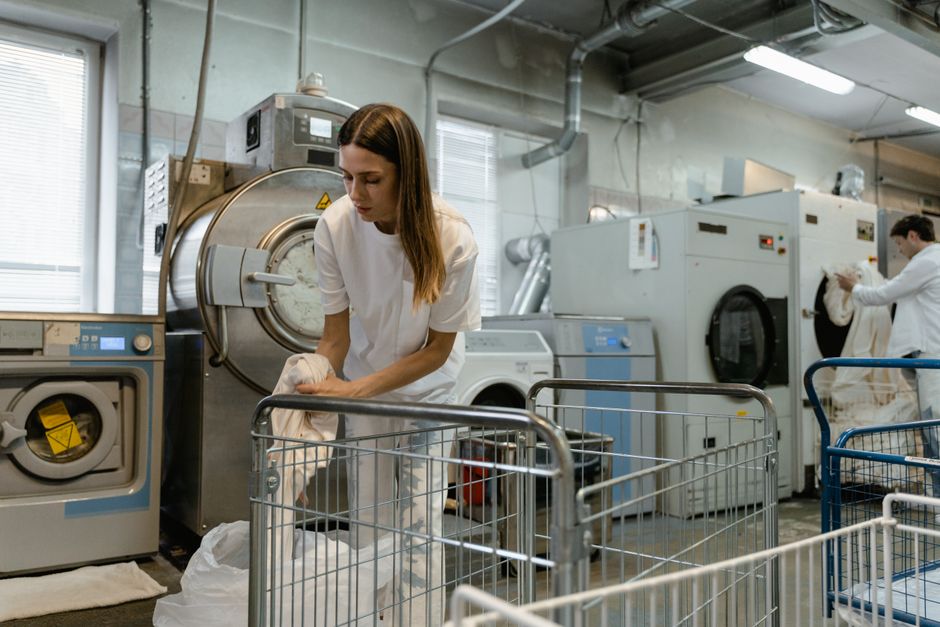
How the Standard Impacts Medical Furniture Design and Materials
Design and material choices are now directly tied to washer-disinfector compatibility. Key considerations include:
- Material resistance: Surfaces must withstand repeated exposure to water, detergents, and disinfectants. Stainless steel (304 or 316 grade) is preferred for frames and load-bearing components. Powder-coated steel is acceptable if the coating is resistant to chipping and corrosion.
- Sealing and drainage: Hollow sections must be sealed or have drainage holes to prevent water accumulation. For example, tubular bed frames must have weep holes to allow water to escape during the drying phase.
- Edge banding and adhesives: For furniture with wood-based panels, edges must be sealed with waterproof materials, such as 0.6mm ABS edge banding, and adhesives must be hydrolysis-resistant.
- Load capacity: The standard includes mechanical load tests to ensure furniture does not deform under typical hospital use. For instance, a transport cart must carry a specified load without permanent deflection.
These requirements are not just about passing a test; they affect the total cost of ownership. Furniture that fails after a few months in a washer-disinfector will need replacement, increasing lifecycle costs. Therefore, buyers should prioritize materials and construction that meet these criteria from the outset.
Compliance Requirements Under EU MDR 2017/745
The EU Medical Device Regulation (MDR) 2017/745, as published in the Official Journal of the European Union, requires that medical devices bear CE marking when placed on the market in Europe. However, not all medical furniture falls under MDR—only products with a medical purpose, such as examination tables or surgical tables, are regulated as medical devices. General ward furniture, such as bedside tables or chairs, may not require CE marking unless they are specifically intended for medical use.
EN ISO 15883-7:2026 is listed as a harmonized standard under MDR, meaning that compliance with it provides a presumption of conformity for washer-disinfectors themselves. For furniture manufacturers, this means their products must be compatible with such equipment to support the overall safety and performance of medical devices. Buyers must clarify with suppliers whether their products are intended for use in washer-disinfectors and whether they meet the standard’s requirements.
To ensure compliance, buyers should request a Declaration of Conformity, technical documentation, and test reports from suppliers. These documents should explicitly reference EN ISO 15883-7:2026 if the product is claimed to be compatible. If a supplier cannot provide such evidence, the buyer must weigh the risk of market rejection or product liability.
Key Considerations for Sourcing from Chinese Suppliers
China is a major source of medical furniture, but not all suppliers are equally prepared for the new standard. When evaluating Chinese suppliers, consider the following:
- Material sourcing: Verify that stainless steel grades and powder coatings meet the required specifications. Ask for material certificates from the supplier’s mills.
- Testing capabilities: Does the supplier have in-house testing equipment to simulate washer-disinfector cycles? If not, they may not have validated their products.
- Experience with international standards: Suppliers who export to Europe are more likely to be familiar with MDR and harmonized standards. Ask for references from European clients.
- Quality control: Third-party inspections at the mid-production milestone are essential. This can catch material or construction issues before shipment.
One of the challenges is that some suppliers may claim compliance without actually testing. To mitigate this, buyers should request test reports from accredited laboratories, such as TÜV or SGS, and verify the reports’ authenticity.

Verification Steps for Buyers
To ensure your sourced furniture meets EN ISO 15883-7:2026 requirements, follow these steps:
- Request technical documentation: Ask for a technical file that includes material specifications, design drawings, and test results.
- Conduct a factory audit: Visit the factory or hire a third-party auditor to assess production processes and quality control.
- Review test reports: Ensure that tests cover temperature resistance, chemical exposure, and mechanical load as per the standard.
- Check for drainage and sealing: Inspect samples for weep holes, sealed edges, and corrosion-resistant coatings.
- Clarify intended use: Confirm with the supplier whether the product is designed for washer-disinfector use and whether it is classified as a medical device under MDR.
By following these steps, you can avoid purchasing furniture that fails in the field, which could lead to infection control breaches and financial losses.
Comparing Materials and Construction for Washer-Disinfectors
The following table compares common materials used in medical furniture and their suitability for washer-disinfector cycles:
| Material / Construction | Temperature Resistance | Chemical Resistance | Structural Integrity | Typical Applications |
|---|---|---|---|---|
| 304 Stainless Steel | Up to 90°C | Excellent | High | Bed frames, transport carts |
| 316 Stainless Steel | Up to 90°C | Superior (chloride resistance) | High | Surgical tables, marine environments |
| Powder-Coated Steel | Up to 80°C | Good (if coating intact) | Medium | Bedside tables, cabinets |
| HPL (High-Pressure Laminate) on E0 MDF | Up to 70°C | Moderate | Low (edge swelling risk) | Casework, non-critical furniture |
| Polypropylene (PP) Plastic | Up to 90°C | Good | Medium | Chairs, small accessories |
This table is a simplified comparison. Actual performance depends on specific grades and construction methods. For example, a powder-coated steel frame with proper drainage holes can outperform a poorly sealed stainless steel frame. Buyers should request test data from suppliers for the exact product they intend to purchase.
Supplier Qualification: What to Ask Before You Order
When qualifying a supplier, ask the following questions:
- Have you exported to Europe before? If yes, ask for references and proof of compliance with MDR.
- Can you provide test reports from a recognized laboratory? Look for reports from labs accredited to ISO/IEC 17025.
- What is your quality control process? Do you conduct in-process inspections and final inspections?
- Can you customize products to meet specific requirements? For example, adding drainage holes or using a specific stainless steel grade.
- What is your lead time and MOQ? These factors affect your project timeline and budget.
At ZHOBAI Medical Furniture, we have 15+ years of experience in medical furniture sourcing and manufacturing. Our engineering team can provide technical documentation and third-party QC reports at the mid-production milestone, as we have done for projects across Europe and Central Asia. We offer OEM/ODM services and factory-direct pricing, ensuring you get the exact product you need.
Contractual and Documentation Essentials
Your contract with the supplier should include specific clauses to protect your interests:
- Compliance clause: The supplier must confirm that products meet EN ISO 15883-7:2026 requirements, if applicable.
- Documentation deliverables: Specify the technical file, test reports, and Declaration of Conformity to be provided before shipment.
- Inspection rights: Allow for third-party inspection at the factory before shipment.
- Warranty: Ensure a warranty period that covers defects related to washer-disinfector compatibility.
- Incoterms: Clearly define the point of risk transfer, such as FOB or CIF, to avoid disputes.
For a deeper factory audit standards, refer to our guide on hospital furniture factory audit standards.
Frequently Asked Questions
Does EN ISO 15883-7:2026 apply to all medical furniture?
No. The standard applies to washer-disinfectors and the durable medical items they process. It does not directly regulate all furniture. However, if your furniture is intended to be cleaned in a washer-disinfector, it should be designed to withstand the process.
Is CE marking required for all medical furniture?
No. CE marking is required only if the product is a medical device under MDR. For example, an examination table may require CE marking, while a bedside table may not. It depends on the intended use and classification.
How can I verify that a supplier’s product is compliant?
Request test reports from an accredited lab, review the technical file, and if possible, conduct a factory audit. Look for specific reference to EN ISO 15883-7:2026 in the documentation.
What are the common pitfalls when sourcing from China?
Common pitfalls include suppliers who claim compliance without testing, using substandard materials that fail in real-world conditions, and lack of proper packaging that leads to damage during shipping. Mitigate these by requiring third-party inspection and clear specifications.
Can existing furniture be retrofitted to meet the standard?
In some cases, yes. For example, adding drainage holes or replacing edge banding may improve compatibility. However, structural changes may be costly and not always effective. It is better to source new furniture that is designed for washer-disinfector use.
Final Checklist for Your RFQ and Audit
Before you issue an RFQ or conduct an audit, use this checklist to ensure you cover all critical aspects:
- Material specifications (stainless steel grade, coating type, edge banding)
- Drainage and sealing design (weep holes, sealed hollow sections)
- Test reports for temperature, chemical, and mechanical resistance
- Documentation (technical file, Declaration of Conformity, test certificates)
- Quality control plan (in-process inspections, final inspection)
- Packaging and logistics (export packaging, Incoterms)
- Warranty and after-sales support
By following this checklist, you can make informed decisions and avoid costly mistakes. For more insights on material compliance, see our article on medical furniture material compliance testing.
Practical Steps for Overseas Buyers in Medical Furniture Sourcing
When you are engaged in the clinical furnishing requirement, the new EN ISO 15883-7:2026 standard adds a layer of complexity that goes beyond simple product specifications. As an overseas buyer, you need to integrate this standard into every stage of your procurement process, from initial supplier contact to final handover. The following practical actions will help you navigate the sourcing journey with confidence, ensuring that the furniture you import not only meets the standard but also performs reliably in real-world hospital environments.
RFQ Questions to Ask Shortlisted Suppliers
Your Request for Quotation (RFQ) is the first opportunity to filter out suppliers who are not prepared for the new standard. Beyond asking for pricing and lead times, include specific technical and compliance questions that will reveal a supplier’s true capability. For example, ask them to describe their testing procedures for washer-disinfector compatibility. Do they have in-house testing equipment, or do they rely on third-party laboratories? Request a sample of their technical documentation, including material certificates and test reports, to verify that they can provide the necessary evidence. Also, ask about their experience with European buyers and whether they have previously supplied products that meet harmonized standards under the EU MDR. These questions will help you identify suppliers who are genuinely invested in compliance rather than those who merely claim it.
Document Checks Before Placing an Order
Before you commit to a purchase, you must verify that the supplier can deliver the required documentation. This includes a Declaration of Conformity (DoC) that explicitly references EN ISO 15883-7:2026 if the product is claimed to be compatible. The technical file should contain design drawings, material specifications, and risk analysis. Test reports should come from laboratories accredited to ISO/IEC 17025, and the reports should cover temperature resistance, chemical exposure, and mechanical load tests as per the standard. Check that the documents are in English or accompanied by certified translations. If the supplier hesitates to provide these documents or offers vague assurances, consider it a red flag. You can also request a pre-shipment document review by a third-party expert to ensure everything is in order before production begins.
Approval Milestones in the Production Process
To maintain control over quality, establish clear approval milestones in your contract. The first milestone is the pre-production meeting, where you review the final specifications and approve the sample. The second is the mid-production inspection, which should occur after the first batch of products is manufactured. This is the time to check that materials and construction methods match the approved sample. The third milestone is the final random inspection before shipment, where you or a third-party inspector verify the finished goods against the agreed quality standards. Each milestone should have a formal sign-off process, and you should withhold payment until you are satisfied with the results. This approach minimizes the risk of receiving non-compliant products and gives you leverage to demand corrective actions if issues arise.
Inspection Planning for Washer-Disinfector Compatibility
When planning inspections, focus on the specific aspects that affect washer-disinfector compatibility. During the mid-production inspection, check that drainage holes are present and correctly positioned in hollow sections, such as bed frames and cart tubes. Verify that edge banding is applied with waterproof adhesives and that there are no gaps where water could penetrate. Inspect the surface finish for any signs of corrosion or coating defects. If possible, request a demonstration of the product’s resistance to high temperatures and chemicals. Some suppliers may have small-scale testing equipment that can simulate a washer-disinfector cycle. If not, you can ask for a sample to be sent to an independent laboratory for testing. Document all inspection findings and require the supplier to address any non-conformities before the next milestone.
Packaging Review for Export and Handling
Proper packaging is essential to ensure that your medical furniture arrives in perfect condition, especially if it has been designed to meet the new standard. Review the supplier’s packaging plan to ensure it protects against moisture, impact, and contamination during transit. For example, stainless steel frames should be wrapped in protective foam or plastic to prevent scratches, and wood-based panels should be sealed in moisture-resistant packaging. Ask about the packaging materials used—are they recyclable and compliant with international shipping regulations? Also, consider the handling requirements at your destination port. If the furniture is heavy or bulky, ensure that the packaging includes lifting points or forklift access. A pre-shipment inspection should include a check of the packaging integrity and labeling, such as handling instructions and batch numbers, to facilitate traceability.
Handover Responsibilities and After-Sales Support
Clearly define the handover responsibilities in your contract to avoid disputes. This includes the point at which risk transfers from the supplier to you, as defined by the Incoterms. For example, under FOB, the supplier is responsible until the goods are loaded onto the vessel, while under CIF, they also cover insurance. Specify who is responsible for customs clearance and import duties. Additionally, agree on the warranty terms, including the duration and what is covered. For washer-disinfector compatibility, the warranty should cover defects that arise from normal use in such equipment. Ensure that the supplier provides clear instructions for installation, use, and maintenance, and that they offer after-sales support, such as spare parts availability and technical assistance. A reliable supplier will be willing to include these terms in writing and honor them.
Building a Long-Term Sourcing Relationship
Finally, consider that the clinical furnishing requirement is not a one-time transaction but a long-term partnership. By working closely with your supplier and providing clear feedback on compliance and quality, you can help them improve their processes and products. This collaborative approach can lead to better pricing, faster lead times, and more innovative solutions in the future. When you find a supplier who meets the EN ISO 15883-7:2026 requirements and demonstrates a commitment to quality, invest in that relationship. Regular communication, joint problem-solving, and periodic audits will ensure that your sourced furniture continues to meet the evolving standards and your hospital’s needs.
Practical Steps for Overseas Buyers in the clinical furnishing requirement
When you are engaged in the clinical furnishing requirement, the new EN ISO 15883-7:2026 standard adds a layer of complexity that goes beyond simple product specifications. As an overseas buyer, you need to integrate this standard into every stage of your procurement process, from initial supplier contact to final handover. The following practical actions will help you navigate the sourcing journey with confidence, ensuring that the furniture you import not only meets the standard but also performs reliably in real-world hospital environments.
RFQ Questions to Ask Shortlisted Suppliers
Your Request for Quotation (RFQ) is the first opportunity to filter out suppliers who are not prepared for the new standard. Beyond asking for pricing and lead times, include specific technical and compliance questions that will reveal a supplier’s true capability. For example, ask them to describe their testing procedures for washer-disinfector compatibility. Do they have in-house testing equipment, or do they rely on third-party laboratories? Request a sample of their technical documentation, including material certificates and test reports, to verify that they can provide the necessary evidence. Also, ask about their experience with European buyers and whether they have previously supplied products that meet harmonized standards under the EU MDR. These questions will help you identify suppliers who are genuinely invested in compliance rather than those who merely claim it.
Document Checks Before Placing an Order
Before you commit to a purchase, you must verify that the supplier can deliver the required documentation. This includes a Declaration of Conformity (DoC) that explicitly references EN ISO 15883-7:2026 if the product is claimed to be compatible. The technical file should contain design drawings, material specifications, and risk analysis. Test reports should come from laboratories accredited to ISO/IEC 17025, and the reports should cover temperature resistance, chemical exposure, and mechanical load tests as per the standard. Check that the documents are in English or accompanied by certified translations. If the supplier hesitates to provide these documents or offers vague assurances, consider it a red flag. You can also request a pre-shipment document review by a third-party expert to ensure everything is in order before production begins.
Approval Milestones in the Production Process
To maintain control over quality, establish clear approval milestones in your contract. The first milestone is the pre-production meeting, where you review the final specifications and approve the sample. The second is the mid-production inspection, which should occur after the first batch of products is manufactured. This is the time to check that materials and construction methods match the approved sample. The third milestone is the final random inspection before shipment, where you or a third-party inspector verify the finished goods against the agreed quality standards. Each milestone should have a formal sign-off process, and you should withhold payment until you are satisfied with the results. This approach minimizes the risk of receiving non-compliant products and gives you leverage to demand corrective actions if issues arise.
Inspection Planning for Washer-Disinfector Compatibility
When planning inspections, focus on the specific aspects that affect washer-disinfector compatibility. During the mid-production inspection, check that drainage holes are present and correctly positioned in hollow sections, such as bed frames and cart tubes. Verify that edge banding is applied with waterproof adhesives and that there are no gaps where water could penetrate. Inspect the surface finish for any signs of corrosion or coating defects. If possible, request a demonstration of the product’s resistance to high temperatures and chemicals. Some suppliers may have small-scale testing equipment that can simulate a washer-disinfector cycle. If not, you can ask for a sample to be sent to an independent laboratory for testing. Document all inspection findings and require the supplier to address any non-conformities before the next milestone.
Packaging Review for Export and Handling
Proper packaging is essential to ensure that your medical furniture arrives in perfect condition, especially if it has been designed to meet the new standard. Review the supplier’s packaging plan to ensure it protects against moisture, impact, and contamination during transit. For example, stainless steel frames should be wrapped in protective foam or plastic to prevent scratches, and wood-based panels should be sealed in moisture-resistant packaging. Ask about the packaging materials used—are they recyclable and compliant with international shipping regulations? Also, consider the handling requirements at your destination port. If the furniture is heavy or bulky, ensure that the packaging includes lifting points or forklift access. A pre-shipment inspection should include a check of the packaging integrity and labeling, such as handling instructions and batch numbers, to facilitate traceability.
Handover Responsibilities and After-Sales Support
Clearly define the handover responsibilities in your contract to avoid disputes. This includes the point at which risk transfers from the supplier to you, as defined by the Incoterms. For example, under FOB, the supplier is responsible until the goods are loaded onto the vessel, while under CIF, they also cover insurance. Specify who is responsible for customs clearance and import duties. Additionally, agree on the warranty terms, including the duration and what is covered. For washer-disinfector compatibility, the warranty should cover defects that arise from normal use in such equipment. Ensure that the supplier provides clear instructions for installation, use, and maintenance, and that they offer after-sales support, such as spare parts availability and technical assistance. A reliable supplier will be willing to include these terms in writing and honor them.
Building a Long-Term Sourcing Relationship
Finally, consider that the clinical furnishing requirement is not a one-time transaction but a long-term partnership. By working closely with your supplier and providing clear feedback on compliance and quality, you can help them improve their processes and products. This collaborative approach can lead to better pricing, faster lead times, and more innovative solutions in the future. When you find a supplier who meets the EN ISO 15883-7:2026 requirements and demonstrates a commitment to quality, invest in that relationship. Regular communication, joint problem-solving, and periodic audits will ensure that your sourced furniture continues to meet the evolving standards and your hospital’s needs.
ZHOBAI Medical Furniture
Ready to Apply These Principles to Your Project?
Our engineering team responds to all project briefs within 24 hours. Share your FF&E scope — room count, property type, target timeline, and budget range — and we’ll provide a factory-direct assessment and indicative pricing within one business day.