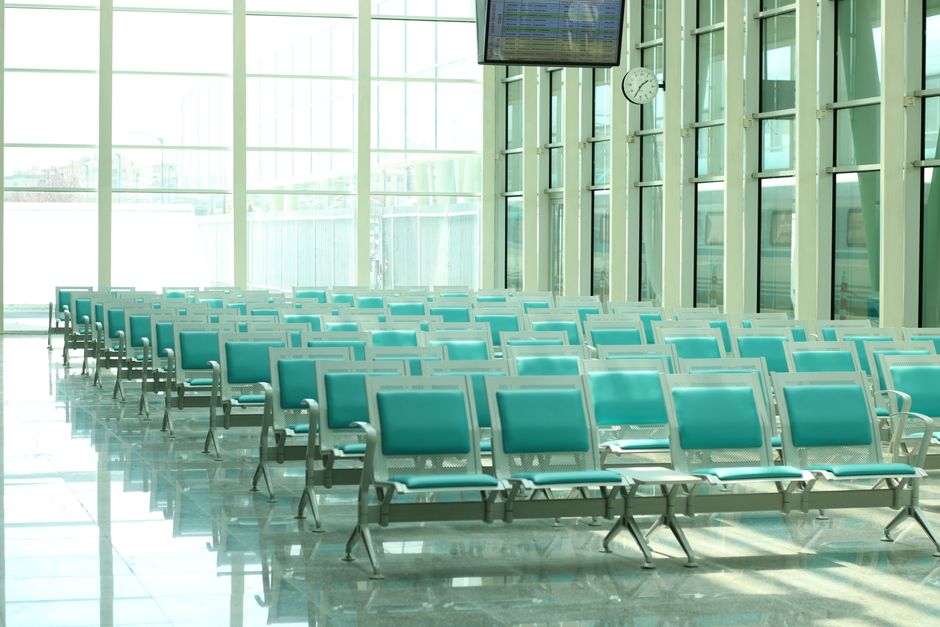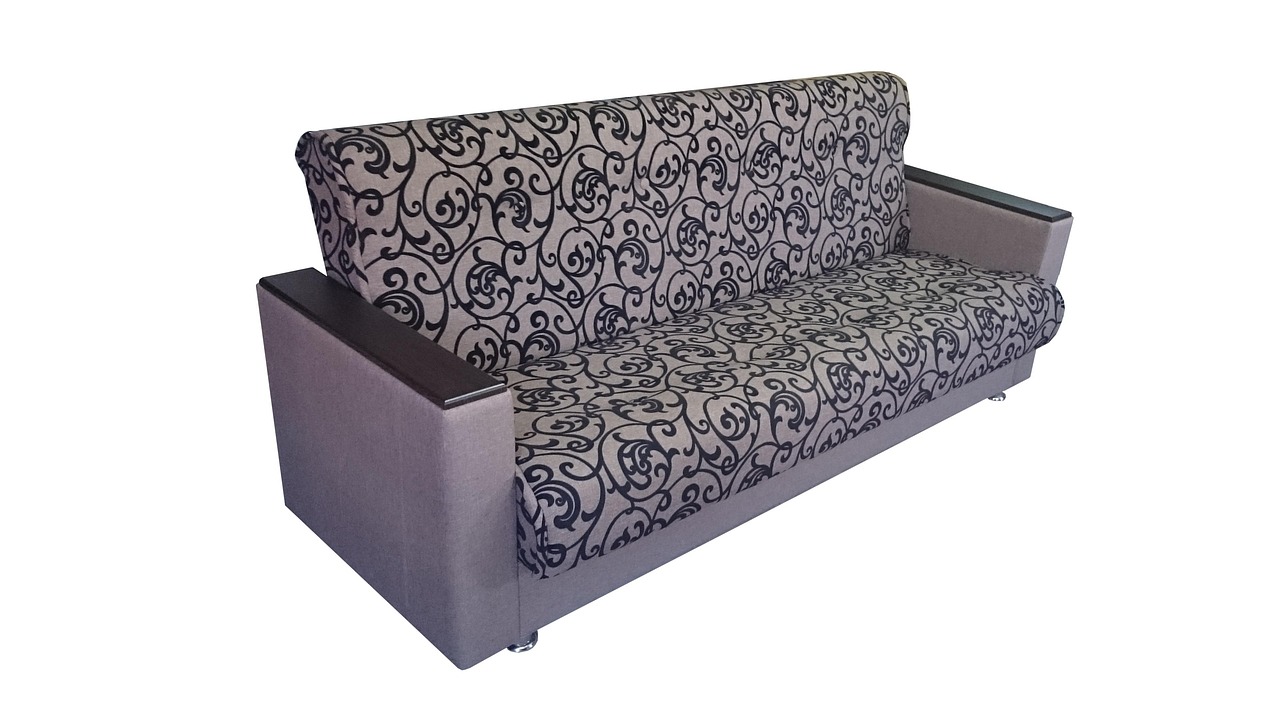
In healthcare environments, the line between infection control and failure is drawn at the surface level. Every bed rail, overbed table, waiting chair, and nurse station counter is a potential vector. That is why specifications for Antimicrobial Healthcare Furniture are no longer optional—they are a documented requirement in RFP documents from Singapore to Stockholm. This article examines the material science behind those specifications, the real-world chemical assault furniture must survive, and the compliance framework that turns technical data into project acceptance.
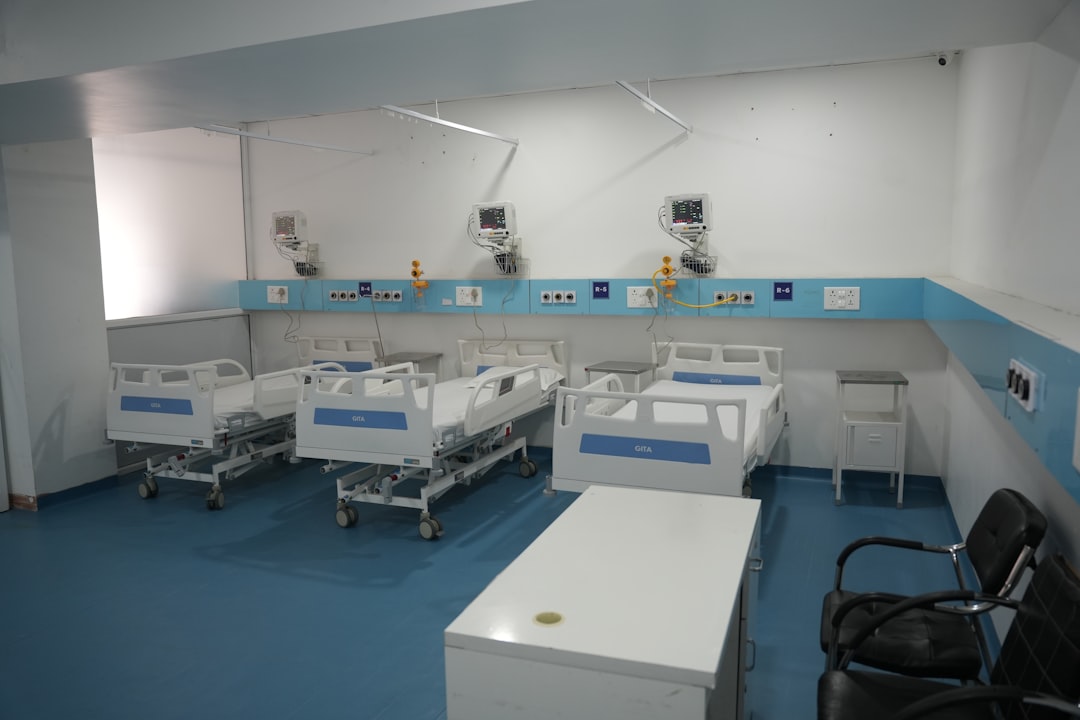
Microscopic Combat: How Antimicrobial Surfaces Kill Pathogens at the Cellular Level
The term “antimicrobial” is often used loosely. For procurement directors and infection control committees, the question is not whether a surface inhibits growth, but how reliably it kills—and against which pathogens. Three material categories dominate the evidence base: silver ions, copper alloys, and non-porous resin substrates. Each operates through a distinct mechanism validated by peer-reviewed studies and regulatory registrations.
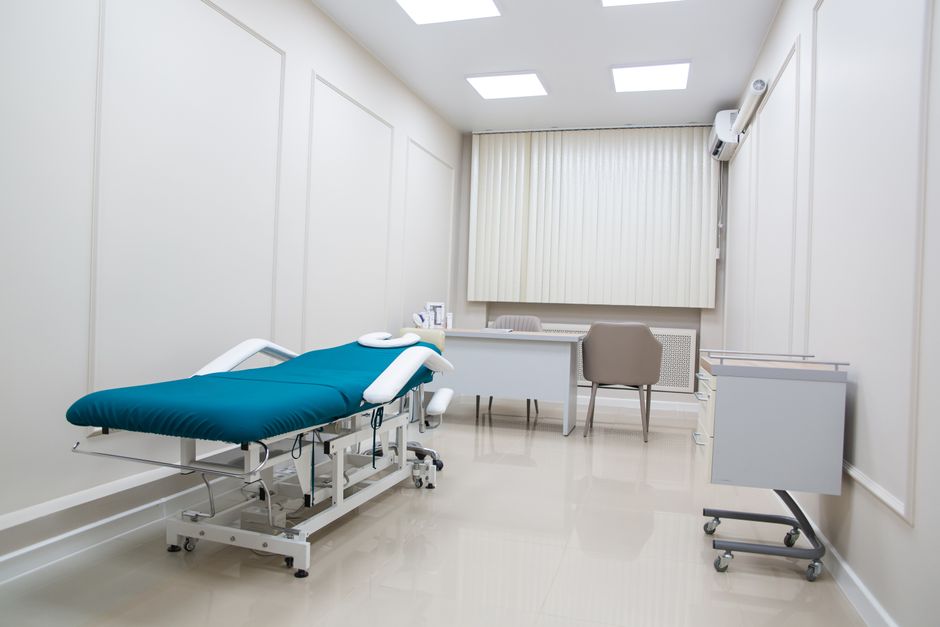
Learn more about Hospital Solutions 2026 Infection Control Update.
Learn more about Healthcare Furniture Clinical Solution.
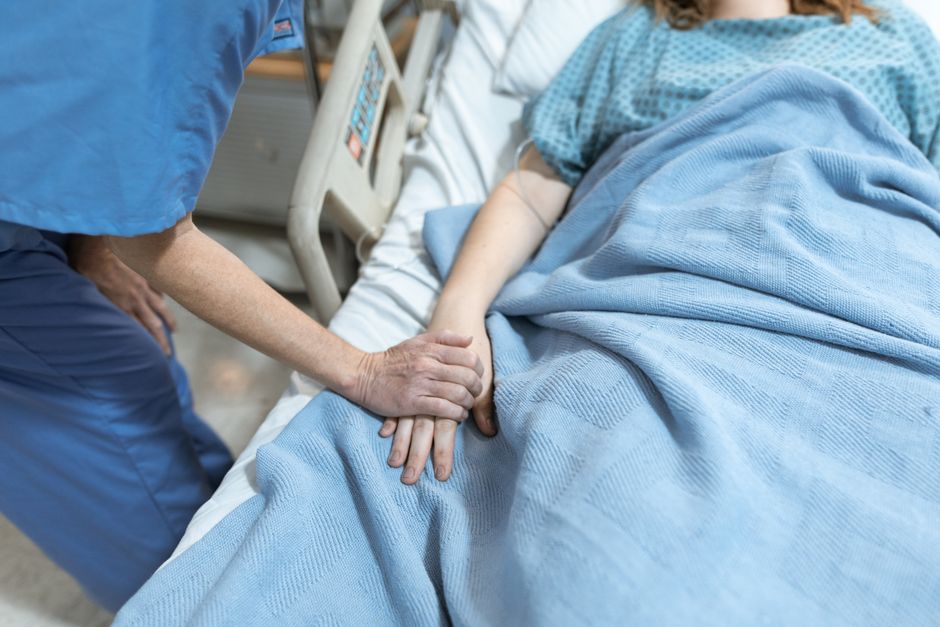
Silver Ions: Multi-Target Attack Chain
Silver ions do not rely on a single mode of action. Research published in Frontiers in Microbiology (2016, PMC5079162) describes a three-stage attack: first, the positive charge of Ag+ ions attracts to negatively charged bacterial cell walls, causing membrane deformation and increased permeability. Second, once inside the cell, silver ions bind to pyrimidine bases, condensing DNA and blocking replication. Third, silver ions trigger a surge of reactive oxygen species (ROS), leading to oxidative stress, protein damage, and DNA fragmentation. A fourth mechanism—uncoupling of oxidative phosphorylation in the respiratory chain—halts ATP production. This multi-target approach makes it extremely difficult for pathogens to develop single-gene resistance. For hospital upholstery, silver ions can be embedded into fabrics or coatings, creating a continuous antimicrobial effect. When specifying Antimicrobial upholstery fabric for hospitals, look for test data under ISO 22196 that shows log reduction values after repeated contamination cycles.
Copper Alloys: Contact Killing as a Regulatory Standard
Copper alloys hold the distinction of being the first solid antimicrobial material registered by the U.S. Environmental Protection Agency (EPA) in 2008. The registration covers 479 alloy compositions across six categories, including brass, bronze, and copper-nickel. The mechanism is a “trident” attack: membrane damage, DNA degradation, and widespread oxidative injury. EPA-supervised laboratory tests show that copper alloys with at least 62% copper content kill >99.9% of pathogenic bacteria within two hours. Clinical trials in ICU settings have measured a 58% reduction in healthcare-associated infection (HAI) rates on copper touch surfaces. Even after repeated soiling, copper alloys maintain >99% efficacy—there is no “consumption” effect. In 2021, the EPA extended the registration to include residual antiviral claims, including coronaviruses. For high-touch components like door handles and IV poles, specifying EPA-registered copper alloys adds a verifiable layer of defense.
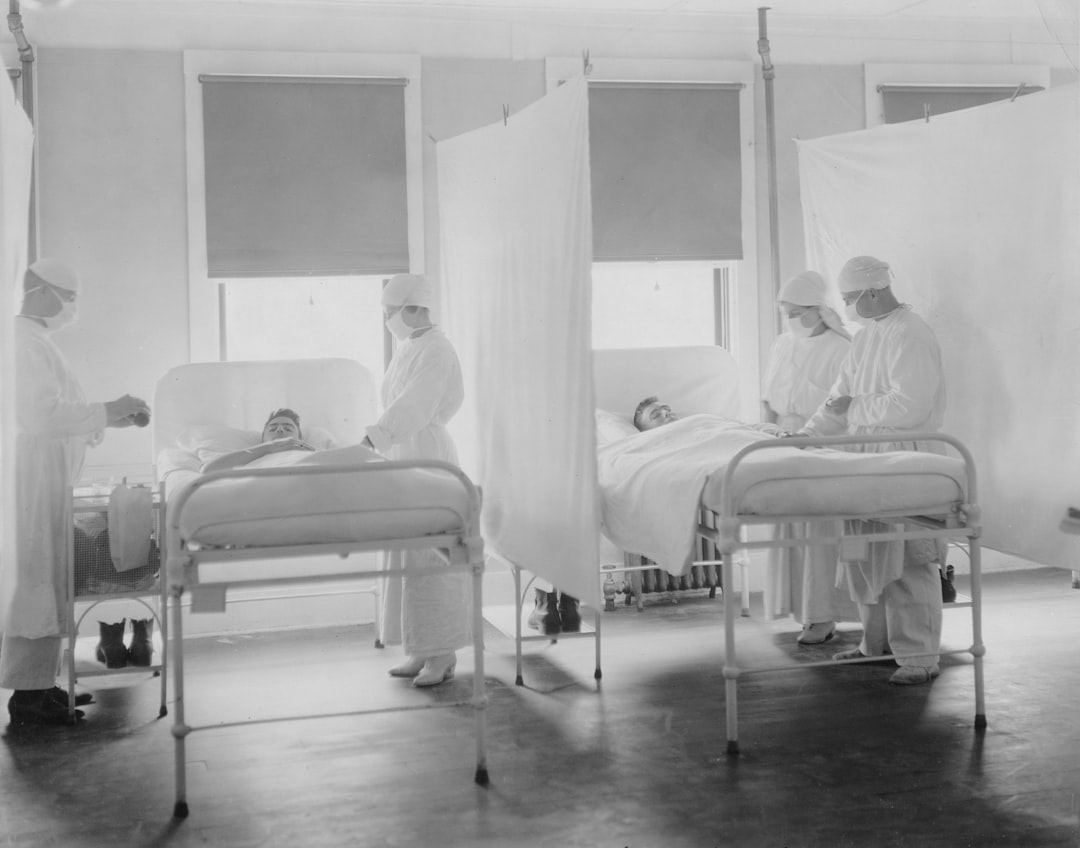
Non-Porous Resin: Eliminating the Biofilm Foundation
Biofilms are structured communities of bacteria embedded in an extracellular matrix. A 2023 systematic review in the American Journal of Infection Control (AJIC) showed that biofilms can survive 1,000–20,000 ppm sodium hypochlorite treatment for 10 minutes, with viable colonies regrowing after culture. Surface roughness (Ra) above 1.6 μm creates bacterial adhesion risk; ultra-smooth surfaces with Ra < 0.4 μm resist adhesion most effectively. Non-porous resin medical furniture eliminates the pores and crevices that serve as biofilm sanctuaries. Industry data indicates that non-porous surfaces reduce bacterial colonization by 90–99% compared to porous materials, and cleaning efficiency improves by 100–1,000-fold. Clostridioides difficile spores survive 3–5 months on porous materials but only 1–2 weeks on sealed non-porous surfaces. The Association for Healthcare Environment (AHE) explicitly recommends smooth, non-porous surfaces for healthcare furniture to reduce microbial reservoirs. The international standard ISO 22196:2011 (and its 2023 update ISO 7581 introducing dry conditions) is the benchmark for testing antimicrobial efficacy on non-porous substrates. Together, these material technologies form the foundation of modern Antimicrobial Healthcare Furniture.
Durability in the Chemical Battlefield: Surviving the Hospital Disinfectant Degradation Cycle
A surface that kills bacteria on contact is useless if its coating fails within months under routine disinfection. Hospitals use aggressive chemical protocols that degrade ordinary furniture rapidly. Understanding the Hospital disinfectant degradation cycle is essential for making cost-effective long-term procurement decisions.
The Chemistry of Daily Disinfection
According to CDC guidelines, common hospital disinfectants include quaternary ammonium compounds (Quats/QACs), sodium hypochlorite (bleach) at 1:10 dilution, hydrogen peroxide/peracetic acid blends, and isopropyl alcohol at 55–70% concentration. In ICUs and surgical units, terminal disinfection follows each procedure, with deep cleaning weekly. General wards undergo terminal disinfection after every patient discharge and daily cleaning during occupancy. The destructive pathway is well documented: QACs attack the paint film on vinyl upholstery, causing micro-cracks; once the protective layer is breached, disinfectants penetrate the substrate, leading to embrittlement, color change, and eventual delamination—within 6–18 months for standard furniture.
Standardized Accelerated Aging Tests
BIFMA HCF 8.1-2019 (Healthcare Furniture Cleanability Design Guideline, third edition) sets a baseline: 7-year service life assuming one disinfectant wipe per day. It tests resistance to QACs, bleach, hydrogen peroxide, isopropyl alcohol, and enzymatic cleaners. The pass/fail criterion for UV aging (Xenon Arc per ASTM G155 Cycle 11) is a color change ΔE ≤ 2.0. Chemical resistant furniture finishes must also pass the CFFA-Healthcare-201 standard, which mandates 16 performance tests including resistance to 23 hospital-grade disinfectants. Some manufacturers—including our engineering team at Zhobai—conduct internal limit tests beyond these standards, such as continuous 15-day QAC immersion at elevated temperatures to verify extreme durability.
A 2024 review on ScienceDirect found that high-pH (>8.0) disinfectant formulations caused 74% of stress-cracking failure cases, with amine- or alcohol-containing Quat blends posing higher risks than pure QACs. Even after bleach treatment, dry biofilms of S. aureus can regrow—underscoring that surface integrity is the prerequisite for any antimicrobial effect.
Total Cost of Ownership: Medical-Grade vs. Standard Furniture
| Property | Standard Vinyl Furniture | Medical-Grade (CFFA-HC-201 Certified) |
|---|---|---|
| Time to surface cracking | 6–18 months | 7+ years (BIFMA baseline) |
| Disinfectant resistance | No certified resistance | 23 chemical types tested |
| Replacement cycle | 3–5 years | 7–12 years |
| Risk of biofilm harborage | High after cracks form | Low (intact surface) |
| 10-year total cost (per bed unit) | $2,500–$4,000 (2–3 replacements) | $1,800–$2,800 (1 replacement) |
Procurement teams often focus on first cost. The degradation curve shows that medical-grade furniture—despite a 20–40% higher upfront price—delivers lower total cost over a decade because it avoids premature replacement and the hidden cost of HAI risk from degraded surfaces. This is the commercial argument for investing in certified Antimicrobial Healthcare Furniture.
The Compliance Shield: Mapping Material Data to Project Acceptance
For international B2B buyers, failing a project acceptance audit is a catastrophic risk. Every material claim must trace back to a recognized standard that the infection control committee and the green building certifier will accept. This section maps the technological features to specific compliance checkpoints.
Core Material Standards and Their Use in Specifications
- CFFA-HC-201 (updated August 2025): Mandatory minimum performance standard for vinyl-coated and chemical-coated fabrics. Covers 16 tests including resistance to 23 hospital disinfectants. A CFFA certification mark is directly quotable in RFP fabric sections.
- BIFMA HCF 8.1-2019: Design guideline for cleanability. Frequently referenced in project specifications; a test report is required during material submittal.
- ISO 22196:2011 / ISO 7581:2023: Antimicrobial efficacy on non-porous surfaces. The 2023 version introduces dry condition testing, which better simulates real hospital environments. Required for CE and many national approvals.
- EPA Registration: Mandatory for copper alloy products claiming antimicrobial public health benefits. EPA registration numbers (e.g., 2008 initial, 2021 antiviral extension) are auditable.
Integration with Green Building Certifications
The LEED BD+C: Healthcare rating system, with over 4,115 registered projects globally (USGBC, April 2026), includes MR Credit for Furniture and Medical Furnishings. Materials that meet low-emitting criteria (e.g., GREENGUARD Gold) contribute to both indoor environmental quality and materials credits. WELL v2 Feature 27 explicitly requires antimicrobial surfaces in restrooms and high-touch areas, specifying that coatings must be non-leaching and compliant with EPA antimicrobial activity requirements. The rationale quoted in WELL v2 states: “Cleaning temporarily reduces surface bioburden, but in high-humidity or high-touch environments, bio-burden rebounds quickly after disinfectant evaporates.” This is the precise gap that active antimicrobial surfaces fill.
When a project targets WELL Silver or LEED Healthcare certification, specifying Antimicrobial Healthcare Furniture with documented test reports streamlines the documentation process. The table below maps material technologies to specific acceptance nodes:
| Material Technology | Compliance Node in Project Process |
|---|---|
| CFFA-HC-201 certified upholstery | RFP fabric specification, submittal review |
| BIFMA HCF 8.1 test report | Design-phase material spec sheet, infection control review |
| EPA-registered copper alloy | Infection control committee product approval |
| GREENGUARD Gold certification | LEED MR + EQ credits, WELL Materials concept |
| ISO 22196 / 7581 test report | International project compliance package (EU CE, TGA, etc.) |
| WELL Feature 27 compliance | WELL certification air concept, contributes to Silver/Gold rating |
Selecting furniture that carries these certifications is effectively buying a compliance insurance policy for the project. When the infection control specialist requests disinfectant resistance data, or the LEED consultant asks for low-emitting material documentation, a complete certification dossier prevents delays and cost overruns.
Our team at ZHOBAI Medical Furniture has delivered projects across 30+ countries, from 50-bed clinics to 500-bed tertiary hospitals. We integrate these standards into our factory production management, ensuring that every batch of upholstery fabric meets CFFA-HC-201 and each resin component passes ISO 22196. The goal is not just to supply furniture, but to give procurement managers a verifiable compliance package that survives any audit.
The evidence from material science, accelerated aging tests, and global building standards converges on one conclusion: antimicrobial surfaces are not a feature—they are a documented defense line. By specifying certified Antimicrobial Healthcare Furniture, buyers transfer the burden of proof from themselves to the manufacturer’s test reports. In a regulatory environment where accountability is paramount, that is the only safe procurement strategy.
ZHOBAI Medical Furniture
Ready to Apply These Principles to Your Project?
Our engineering team responds to all project briefs within 24 hours. Share your FF&E scope — room count, property type, target timeline, and budget range — and we’ll provide a factory-direct assessment and indicative pricing within one business day.