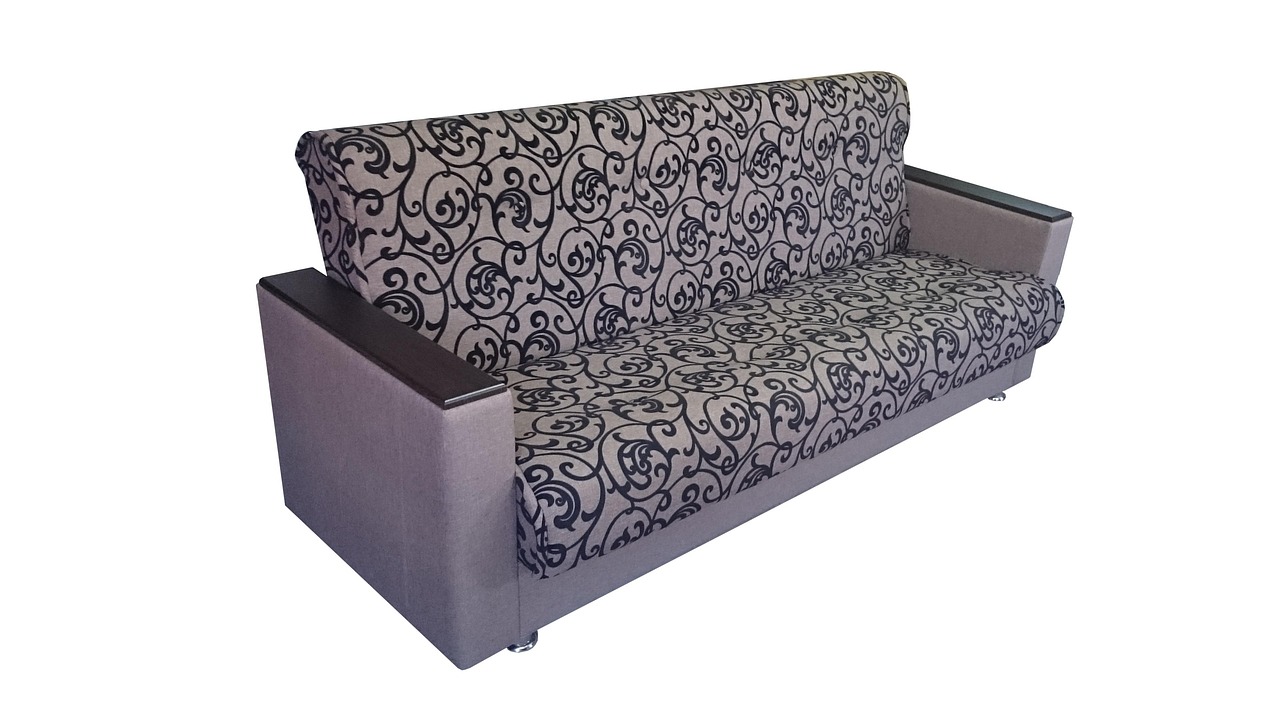
Healthcare furniture has evolved from a basic equipment purchase into a strategic tool that directly impacts clinical outcomes, operational efficiency, and financial performance. In 2023, the global market reached USD 9.8 billion and is projected to grow at 6.6% CAGR to USD 18.6 billion by 2033 (Market.us). Hospitals now recognize that every surface, seat, and bed is part of the care delivery system. This pillar page provides a data-driven analysis of how healthcare furniture—from infection control surfaces to ergonomic seating—reduces hospital-acquired infections, protects staff, accelerates patient recovery, and meets rigorous compliance standards. It frames furniture as a clinical solution, not a line item.
Table of Contents
- 1. The Strategic Shift: From Commodity to Clinical Asset
- 2. Infection Control: Antimicrobial Surfaces and Design
- 3. Ergonomic Hospital Chairs: Protecting the Workforce
- 4. Evidence-Based Design: Furniture as a Healing Tool
- 5. Clinical Seating Solutions for Early Mobilization
- 6. Bariatric Medical Furniture: Safety and Dignity
- 7. Behavioral Health Furniture: Safety by Design
- 8. Compliance and Certification: Defining Medical Grade Furniture
- 9. Sustainable and Smart Healthcare Interiors
- 10. Frequently Asked Questions
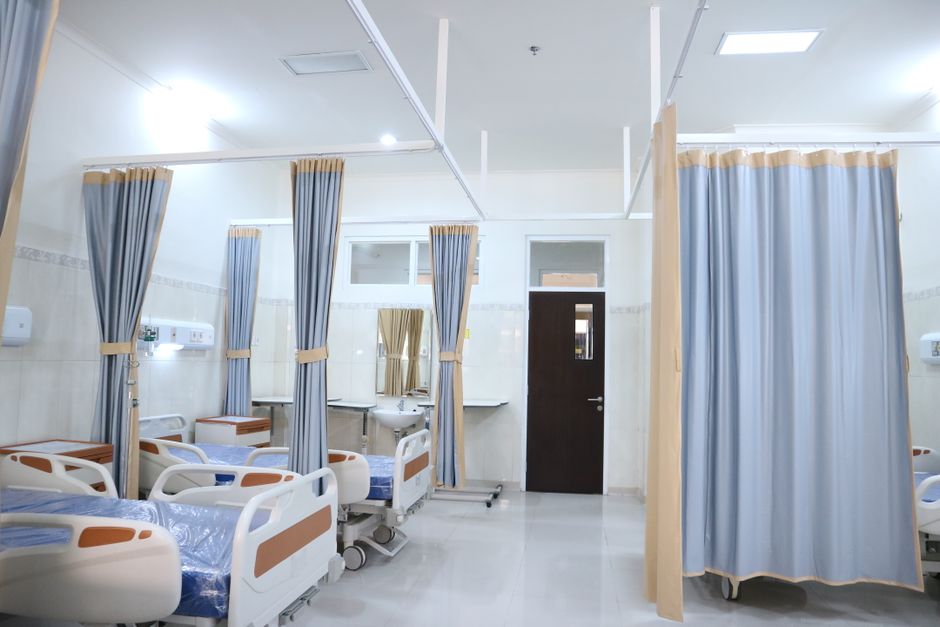
1. The Strategic Shift: From Commodity to Clinical Asset
Healthcare furniture is no longer a passive backdrop. It is now understood that the design and material choices in furniture directly affect infection rates, staff injury, and patient recovery times. According to the CDC, 1 in 31 hospitalized patients has at least one healthcare-associated infection (HAI) on any given day. Non-device-associated HAIs account for 61.5% of all HAIs, implicating environmental surfaces including furniture. This makes infection control furniture a critical investment. The market reflects this: 69% of hospital procurement guidelines now mandate antimicrobial features (Straits Research, 2024).
Learn more about ergonomic seating standards for healthcare.
Learn more about our detailed guide on infection control furniture procurement.
1.1 Market Growth and Why It Matters
Global healthcare furniture spending is projected to reach USD 18.6 billion by 2033. Hospital applications account for 67% of the market. This growth is driven by aging populations, rising HAI awareness, and regulatory pressure. For procurement managers, the decision to buy cheap, non-clinical-grade furniture carries hidden costs—reduced lifespan, higher infection risk, and worker compensation claims.
1.2 The Core Perspective: Furniture as a Solution
In this article, we examine healthcare furniture through three lenses: clinical benefits (how design shortens recovery), operational risk control (reducing HAI costs and staff turnover), and space integration (turnkey solutions that outperform fragmented procurement). Each section provides specific data to support the case that informed furniture selection is a high-ROI decision.
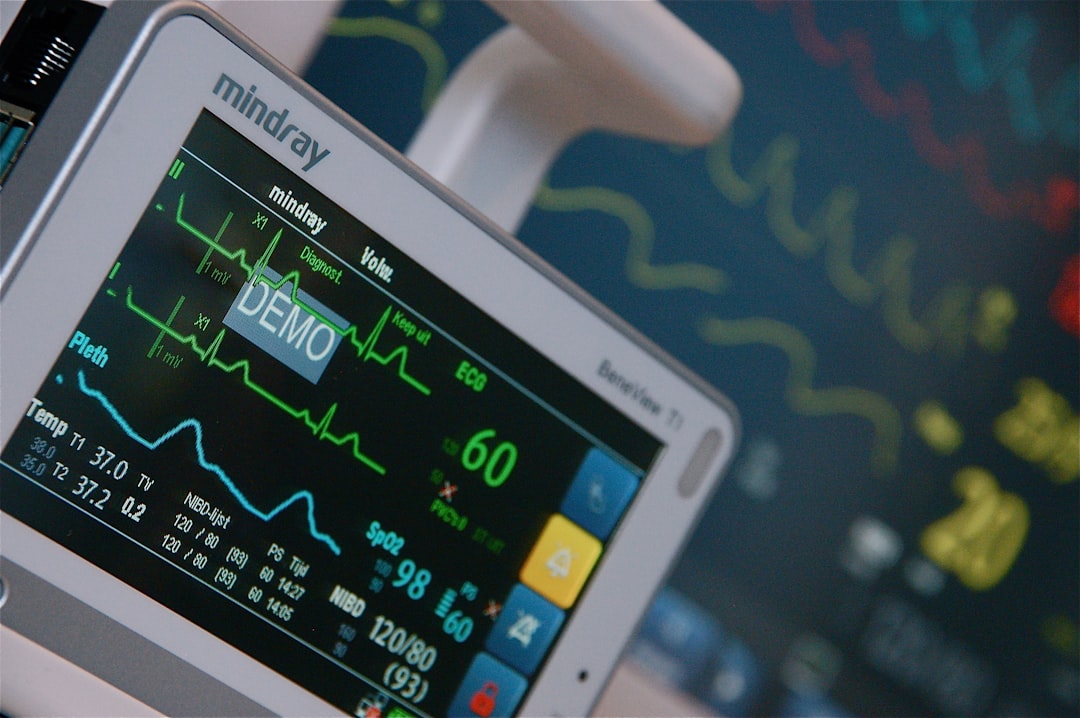
2. Infection Control: Antimicrobial Surfaces and Design
Infection control furniture is defined by materials that resist pathogen growth, surfaces that withstand aggressive disinfection, and designs that eliminate harborage points. The CDC’s 2023 point prevalence survey found 2.6% of patients had an HAI—translating to millions of dollars in preventable costs. Antimicrobial surfaces are one proven intervention.
2.1 The Evidence for Surface Contamination
92% of hospital privacy curtains are contaminated within one week of use (American Journal of Infection Control, 2013). Pathogens like MRSA and VRE survive on dry polyester for up to 3 months. High-touch surfaces—bed rails, overbed tables, supply cart handles—are reservoirs. A. baumannii, a WHO critical-priority pathogen, can persist for weeks on surfaces. Non-device HAIs represent 61.5% of all infections, directly linking furniture to patient harm.
2.2 Antimicrobial Technology Performance
Silver-ion embedded fabrics achieve 99.9% kill rates against odor-causing bacteria. Silver-cotton nanocomposites retain 93% antimicrobial activity after 50 washes (Haining Leading Textile, 2026). A Basel University Hospital study found PVC surfaces containing 2% silver ions reduced bacterial counts by 1.8 log₁₀ CFU after 6 months (p<0.01). When combined with hospital-grade cleaning, these surfaces achieve 98.68% microbial reduction. For healthcare facilities, specifying infection control furniture with verified antimicrobial data directly reduces HAI risk.
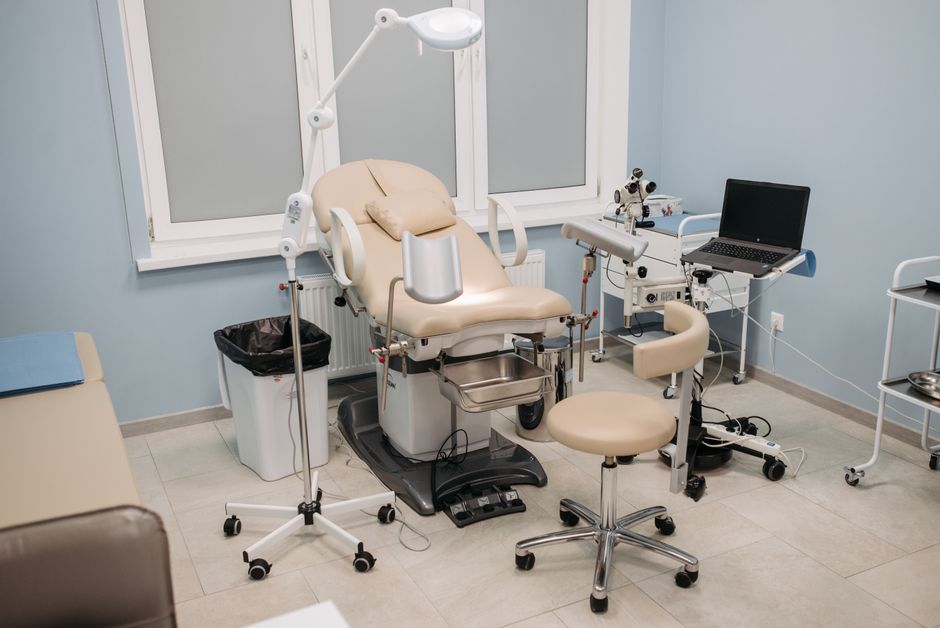
3. Ergonomic Hospital Chairs: Protecting the Workforce
Ergonomic hospital chairs and seating are essential for preventing musculoskeletal disorders (MSDs) among nurses and surgeons. The Bureau of Labor Statistics reports registered nurses have an MSD incidence rate of 46.0 per 10,000 full-time workers—significantly above the all-industry average of 29.4. MSDs account for 44.1% of nurse injury cases. The cost of worker compensation claims can exceed the purchase price of an ergonomic chair many times over.
3.1 The Injury Data
A systematic review found 60% of healthcare workers experience job-related injury during their careers; 40% reported an injury in the past year. Female healthcare workers have an adjusted odds ratio of 2.057 for lower back pain (Qatar study, 2023). These injuries lead to absenteeism, higher turnover, and increased staffing costs. Investments in ergonomic hospital chairs—with adjustable lumbar support, multi-dimensional armrests, and dynamic spine support—reduce these risks.
3.2 Specific Ergonomic Solutions
Surgical stools with saddle-style seats reduce sacroiliac pressure for surgeons during long procedures. Height-adjustable nursing chairs support sit-stand work, reducing static load. Patient transport chairs with powered lift reduce the physical effort of repositioning. Each intervention directly lowers injury probability. For hospitals, the ROI of ergonomic hospital chairs is measured in reduced compensation premiums and improved staff retention.
4. Evidence-Based Design: Furniture as a Healing Tool
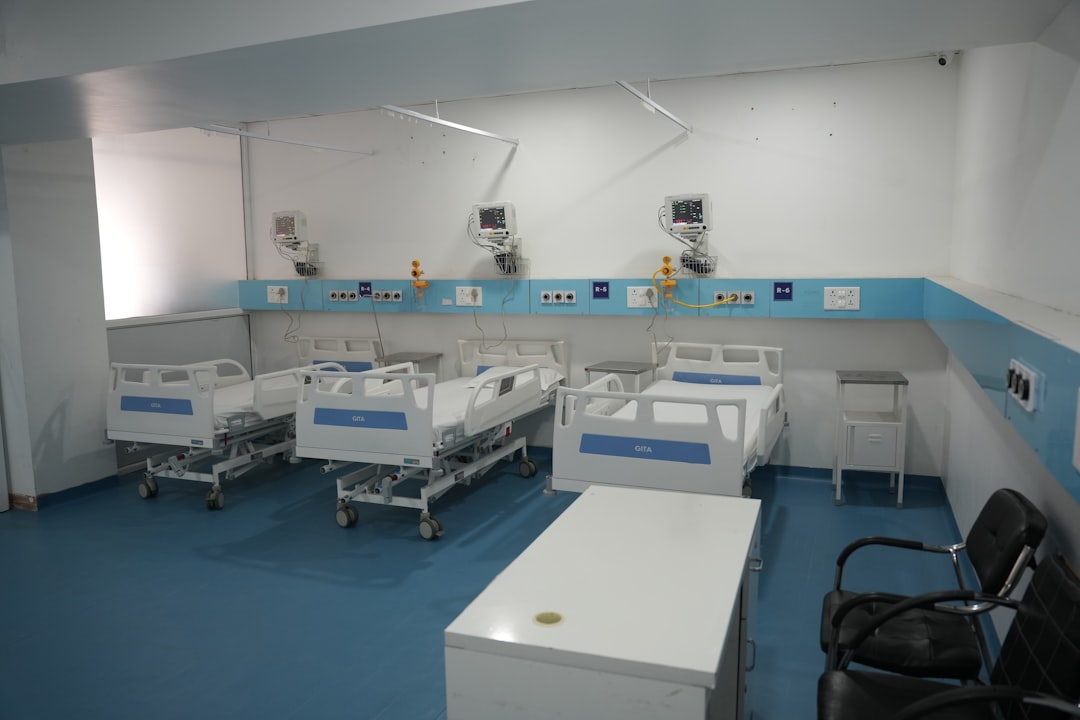
Evidence-based design (EBD) links physical environment to clinical outcomes. A systematic review of 798 papers (65 included) found that elements like natural light, acoustics, and furniture layout improve patient satisfaction, reduce stress, and shorten stays. Over 50% of high-quality evidence points to visual and acoustic comfort as significant contributors to recovery. This is where patient-centered care design becomes operational.
4.1 Visual and Acoustic Factors
Patient-accessible windows, warm wood tones, and reduced noise levels lower cortisol and anxiety. Furniture with integrated privacy screens and sound-absorbing fabrics supports healing. Studies show that patients in rooms with better views and fewer noise disruptions require less pain medication. Healthcare furniture that supports these parameters is not decorative—it is therapeutic.
4.2 Real-World Impact
A PubMed meta-analysis confirmed that architectural design features—including furniture location and type—significantly influence patient outcomes. For instance, providing a comfortable chair for family members reduces their stress, which in turn supports the patient. Specifying evidence-based healthcare furniture is a clinical decision with measurable effects on length of stay and satisfaction scores.
5. Clinical Seating Solutions for Early Mobilization
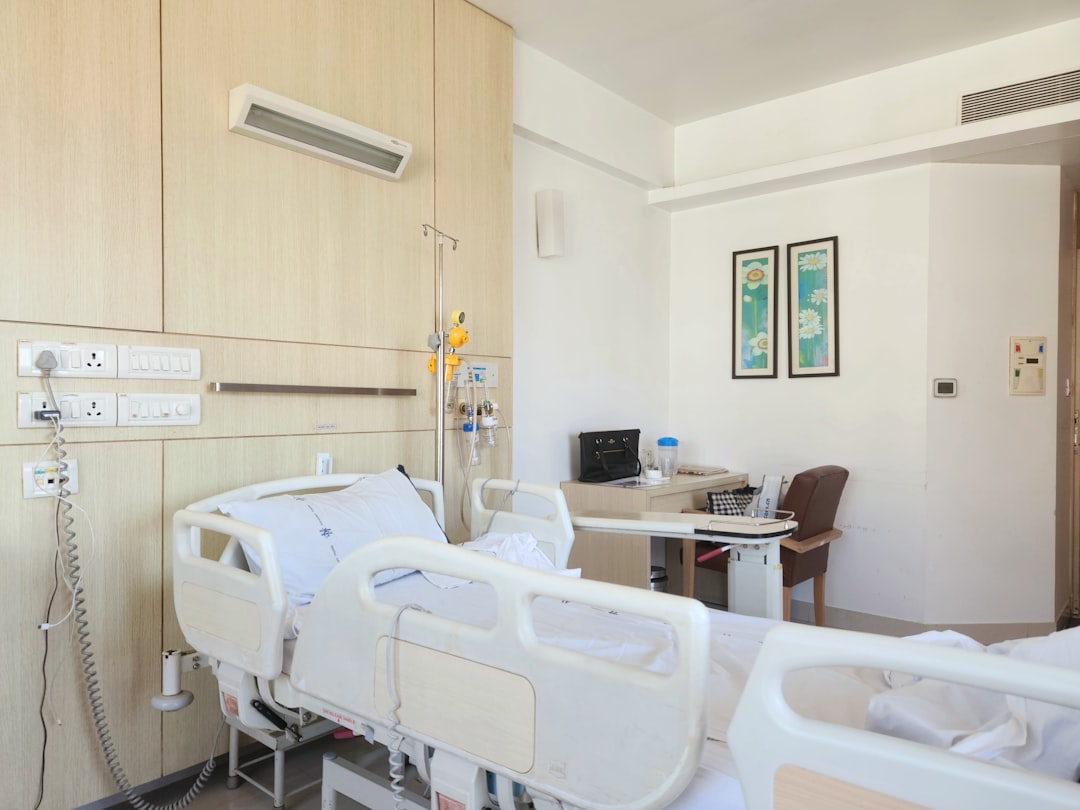
Early mobilization after surgery reduces complications and length of stay. Clinical seating solutions are the enablers. Research shows that patients who begin activity within 24 hours post-surgery stay 1.8 days less (5.4 vs 7.2 days, p=0.02). For abdominal surgery under ERAS protocols, early mobilization reduces stay by 2.3 days (95% CI 1.7-2.9). DVT incidence drops from 7.0% to 2.5% (OR=0.34).
5.1 Chair Design for Mobilization
A chair that supports safe transfer from bed to seated position is critical. Seat height, armrest design, and cushion firmness determine whether a patient can independently stand. Chairs with lift-assist mechanisms and adjustable seat angles further reduce fall risk. Specifying clinical seating solutions that facilitate early activity directly contributes to better surgical outcomes.
5.2 Quantified Benefits
For hip fracture patients, early mobilization reduces 30-day mortality (OR=0.35, p<0.001) and complications (OR=0.43). A hospital that invests in appropriate seating for post-surgical wards can expect fewer readmissions and lower per-patient costs. The furniture cost is minimal compared to the savings from reduced length of stay.
6. Bariatric Medical Furniture: Safety and Dignity
Bariatric medical furniture addresses the needs of patients with obesity (BMI ≥40). Standard beds hold 350-450 lbs; bariatric versions handle 600-1,000 lbs (270-450 kg). Chairs must support 750+ lbs, with some facilities requiring 1,000 lbs. At least 15-20% of waiting room seats should be bariatric-rated.
6.1 Structural Requirements
Dynamic loading calculations must use static weight × 1.5 to account for impact forces. Bed widths must extend to 48 inches (122 cm) to allow safe repositioning. Falls from inadequate furniture cause serious injury. Bariatric furniture also includes wider armrests, reinforced frames, and non-tip bases.
6.2 Clinical and Dignity Considerations
Patients with obesity face higher risk of pressure injuries and falls when using standard furniture. Using properly rated bariatric medical furniture reduces these risks and maintains patient dignity. Discreet designs that blend with other furniture avoid stigmatization. For hospitals, this is both a safety and patient satisfaction issue.
7. Behavioral Health Furniture: Safety by Design
Behavioral health furniture is engineered to prevent self-harm and assault. Approximately 75% of inpatient psychiatric suicides involve hanging—anti-ligature design eliminates anchor points. All furniture must be anti-tamper, with concealed fasteners and sealed seams that prevent hiding contraband.
7.1 Anti-Ligature and Impact Resistance
Rounded corners prevent use as cutting edges. Weighted bases (e.g., sand-filled) prevent furniture from being lifted as weapons. Fabrics must meet CAL TB 116/117 and NFPA 260 flammability standards. Furniture must withstand violent impact without breaking into sharp pieces.
7.2 Facility Types and Compliance
Psychiatric hospitals, behavioral health units, detox centers, and juvenile facilities all require behavioral health furniture. Standards are rigorous: every edge, fastener, and surface must be reviewed for concealment risk. This is a high-cost, high-safety area where failure can be fatal. Specifying certified products is non-negotiable.
8. Compliance and Certification: Defining Medical Grade Furniture
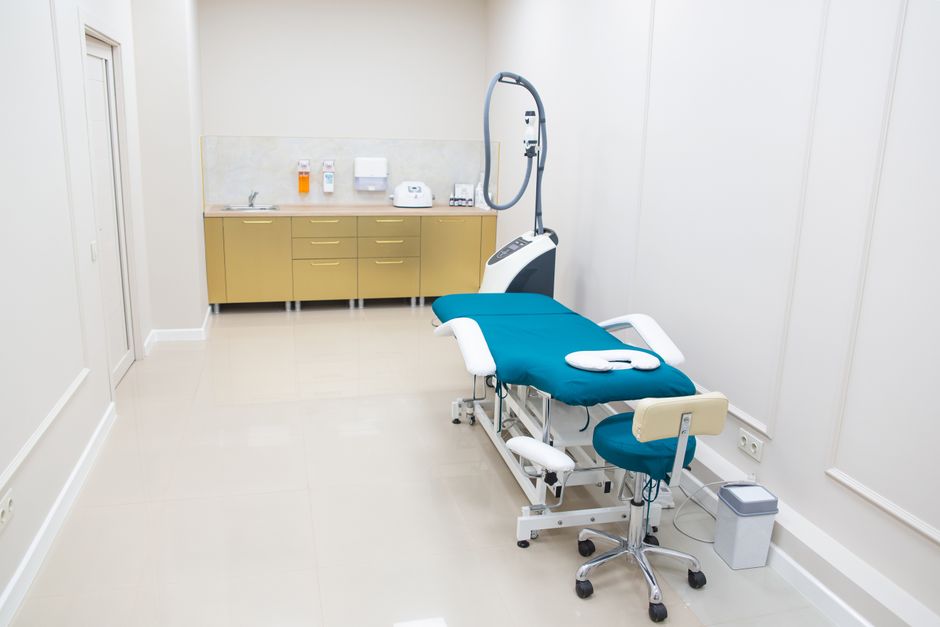
Medical grade furniture differs from commercial furniture in lifespan, chemical resistance, and certification. ANSI/BIFMA HCF 8.1 sets cleanliness standards. GREENGUARD Gold limits VOCs to 360 types, essential for sensitive populations. ISO 13485 applies to furniture with medical-device-like attributes.
8.1 Key Differences at a Glance
| Parameter | Standard Commercial Furniture | Medical Grade Furniture |
|---|---|---|
| Lifespan | 3-5 years | 7-12 years |
| Chemical Tolerance | Not resistant to bleach/H2O2 | Withstands 1:10 bleach, quats, alcohol |
| Fabric Construction | Seams, pores, capillary structures | Seamless, liquid-barrier, anti-microbial |
| Antimicrobial | None | Silver-ion, copper fiber, sealed surfaces |
| Weight Test | BIFMA X5.1 (≤253 lbs) | HCF 8.1 + heavy-duty (253-600 lbs) |
| Certifications | General commercial | ANSI/BIFMA HCF, GREENGUARD Gold, ADA |
8.2 Why Compliance Matters
Purchasing furniture without proper certification exposes the facility to liability, infection risk, and early replacement costs. Medical grade furniture is a longer-term investment with lower total cost of ownership. Checking for BIFMA Compliant® registration and UL GREENGUARD Gold is a baseline requirement.
9. Sustainable and Smart Healthcare Interiors
Green procurement is growing. Practice Greenhealth serves 1,500+ hospitals. GREENGUARD Gold certification is a prerequisite for many RFPs. Smart furniture integrates IoT sensors for pressure mapping, fall detection, and vital sign monitoring—addressing the 26.8 billion USD pressure injury cost in the US alone.
9.1 Sustainable Materials
Low-VOC materials, recycled metals, and FSC-certified wood are becoming standard. BIFMA e3 (LEVEL®) certification supports LEED points. Specifying sustainable healthcare interiors reduces environmental impact and meets regulatory trends.
9.2 Smart Bed Technology
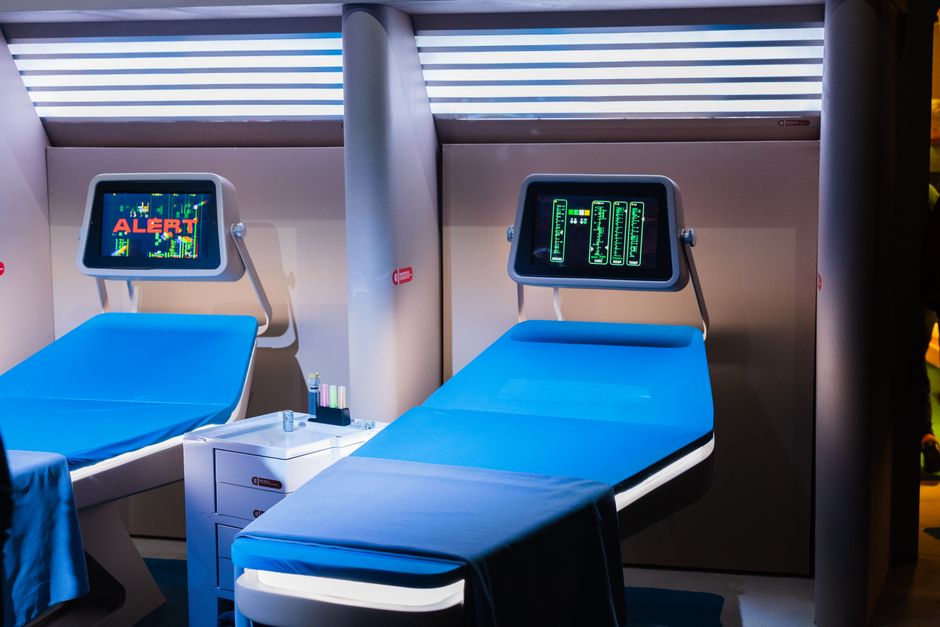
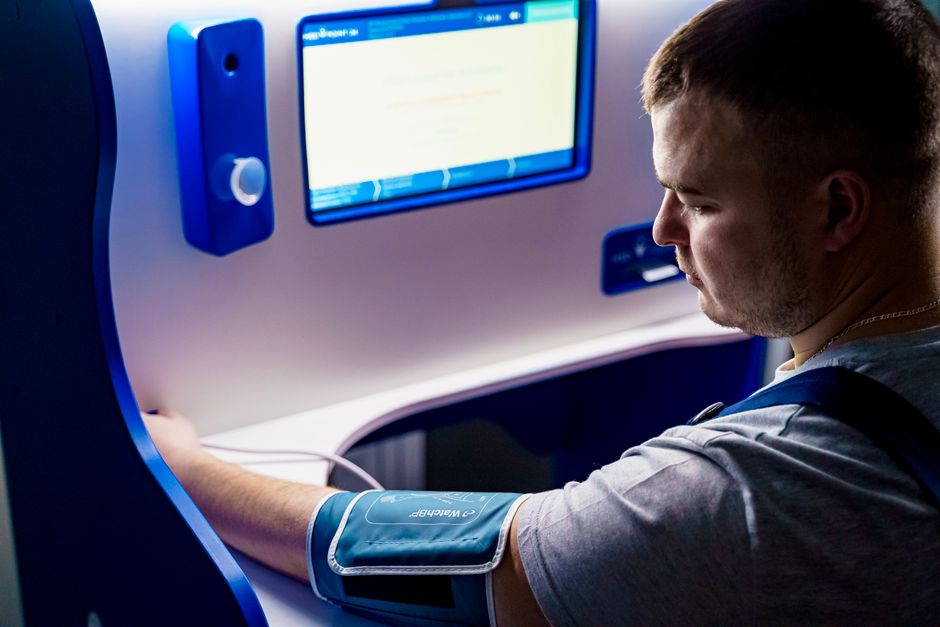
Pressure ulcers affect 1.3 million adults annually in the US. Smart beds with sensor arrays create heat maps of body pressure and alert staff to turn patients automatically. AI algorithms predict risk. A study in Indonesia showed significant Braden score improvement with IoT beds. Smart furniture is still in early adoption but represents the future of proactive care.
10. Frequently Asked Questions
What is medical grade furniture?
Medical grade furniture meets specific standards for cleanability, antimicrobial performance, weight capacity, and safety certifications like ANSI/BIFMA HCF and GREENGUARD Gold.
How does furniture affect infection control?
Non-porous, antimicrobial surfaces and seamless construction reduce pathogen harborage. Regular cleaning is more effective on medical-grade materials.
What is the ROI of ergonomic hospital chairs?
Reduced MSD claims and staff turnover. A single injury claim can cost $50,000; ergonomic chairs typically cost $500-$1,500 each.
How long does medical grade furniture last?
7-12 years with proper maintenance, compared to 3-5 years for commercial furniture.
What are anti-ligature features?
Designs that eliminate points where a cord or fabric can be attached for self-harm, such as tamper-proof fasteners and rounded edges.
Is smart furniture worth the investment?
For high-acuity units, yes. Reduces pressure injuries, falls, and nursing workload. Expect 2-5 year payback depending on scale.
Healthcare furniture is a strategic asset that directly impacts infection rates, staff safety, patient recovery, and operational costs. Each procurement decision should be based on clinical evidence, compliance data, and lifecycle cost analysis. For detailed guides on specific sub-topics such as infection control furniture procurement or ergonomic seating standards, refer to our dedicated resources on this site.
ZHOBAI Medical Furniture
Ready to Apply These Principles to Your Project?
Our engineering team responds to all project briefs within 24 hours. Share your FF&E scope — room count, property type, target timeline, and budget range — and we’ll provide a factory-direct assessment and indicative pricing within one business day.