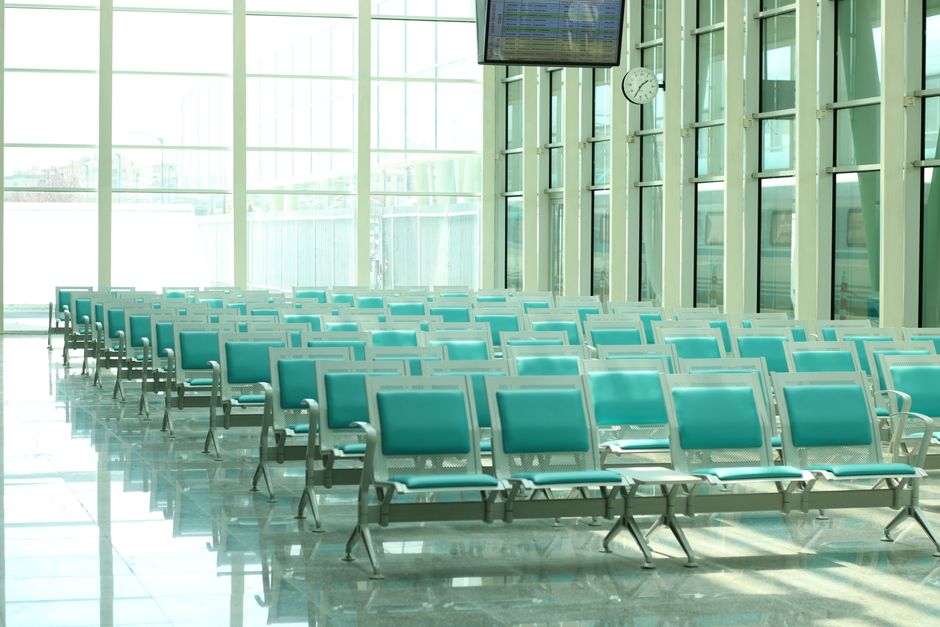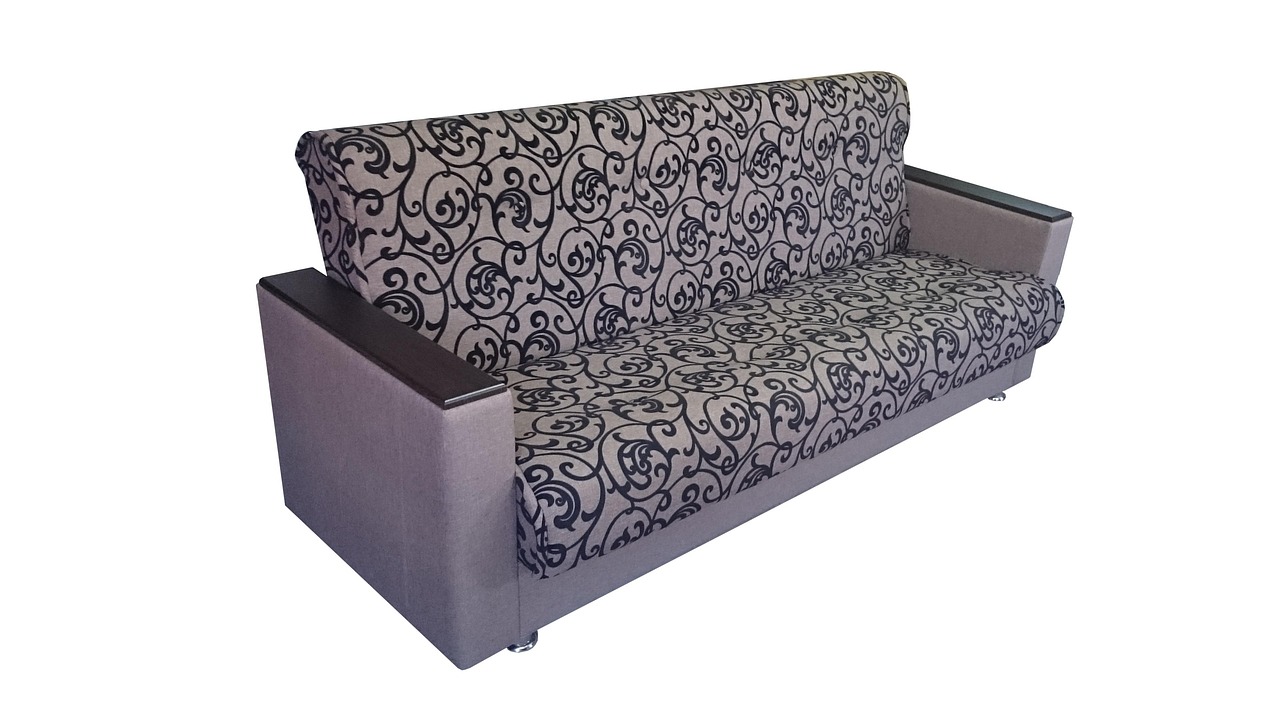
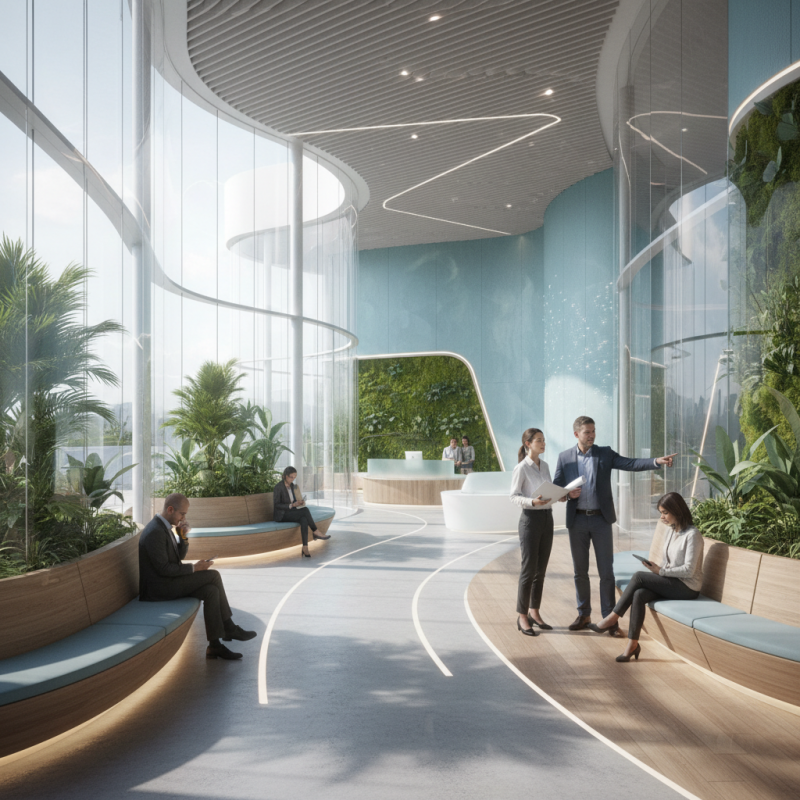
As the healthcare world keeps changing, it’s become pretty clear how important thoughtful and innovative design really is. Experts in Healthcare Design often stress that environments should support healing and well-being. I remember Dr. Susan M. Hensley, a well-known figure in healthcare architecture, once said, “Good design can really make a difference in how patients recover.” That just goes to show why it’s so important to develop effective design strategies.
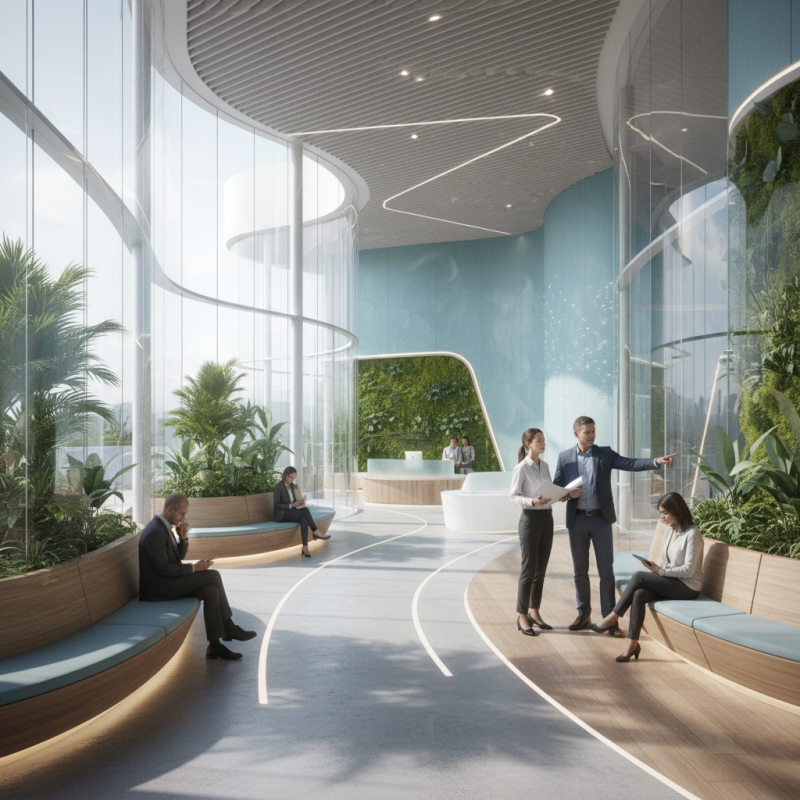
Looking ahead to the 2026 Top Healthcare Design Trends, it’s exciting to see how they’re going to reshape spaces — making patient experiences better and making everything run smoother. These trends are all about blending science with aesthetics and practicality, especially with things like Evidence-Based Healthcare Interior Design. Things like natural light, calming colors, and flexible layouts are key elements that help create a positive and healing environment. But of course, the tricky part is figuring out how to balance innovation with practicality, especially because healthcare settings can be so diverse.
When we take a step back and look at past designs, it’s clear how crucial user feedback is. Too often, projects missed the mark because they didn’t really consider what staff and patients actually need. Getting stakeholders involved early on can save a lot of headaches and money down the line. Building healing environments isn’t a one-and-done thing — it’s an ongoing process of reflecting, learning, and adjusting to ensure that we’re providing top-quality care in these spaces.
[Hide]
Overview of Global Healthcare Design Trends for 2026
As we move toward 2026, healthcare design trends are evolving rapidly. A report by the Global Healthcare Design Forum indicates that sustainability will dominate. Nearly 65% of healthcare facilities plan to integrate eco-friendly materials and renewable energy sources. This shift reflects a growing awareness of environmental responsibility in healthcare settings.
Patient-centered design is also gaining traction. Clinical environments are being transformed to promote comfort and healing. A recent study shows that healthcare facilities prioritizing natural light and artwork have reported a 20% increase in patient satisfaction. Yet, not all designs meet these ideals, leading to frustrations for users. Stakeholders must work collaboratively to bridge this gap.
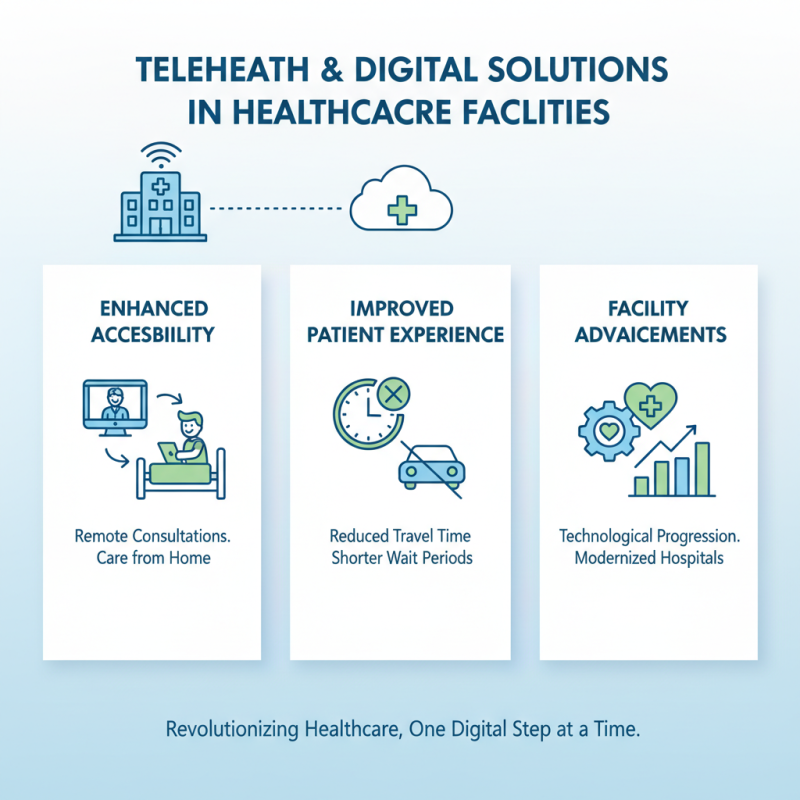
Technological integration remains a major focus. Innovations like telehealth and smart sensors play critical roles in modern facilities. Yet, a survey found that only 30% of facilities fully utilize available technology. This discrepancy highlights a clear need for ongoing training and support for staff. Addressing these challenges is key to creating effective healthcare environments in the near future.
2026 Top Healthcare Design Trends for Global Buyers
| Trend | Description | Expected Impact | Key Focus Areas |
|---|---|---|---|
| Sustainable Design | Prioritizing eco-friendly materials and practices in healthcare facilities. | Reduced environmental impact and improved patient wellness. | Energy efficiency, waste reduction. |
| Telehealth Spaces | Designing private, comfortable areas for virtual consultations. | Enhanced accessibility to healthcare services. | Technology integration, patient privacy. |
| Patient-Centric Design | Creating layouts that enhance patient experience and comfort. | Improved patient satisfaction and outcomes. | Wayfinding, acoustic design. |
| Integration of Nature | Incorporating natural elements into healthcare environments. | Enhanced patient healing and morale. | Biophilic design, landscaping. |
| Smart Technology | Utilizing IoT and AI to improve operational efficiency. | Streamlined processes, better data management. | Telemedicine, automated systems. |
Innovative LED Reception Desk Designs: Enhancing Aesthetic and Functionality in Beauty Salons, Hotels, Schools, and Gyms
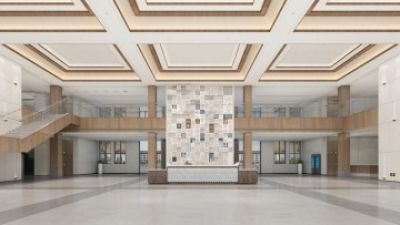
The reception area of a space such as a beauty salon, hotel, school, or gym serves as the first point of contact for clients and guests, making the design of the reception desk crucial for setting the right tone. Innovative LED reception desk designs enhance both aesthetic appeal and functionality, creating an environment that is welcoming and efficient. The incorporation of ambient LED lighting, for example, not only illuminates the space but can also help convey brand identity and create an inviting atmosphere that aligns with the overall decor of the establishment.
Modern minimalism is becoming increasingly popular in reception design, as evidenced by a report from Grand View Research indicating that the global office furniture market is projected to reach $69.66 billion by 2025. A modern minimalist reception desk featuring a tempered glass front paired with a matte black base offers a sleek and sturdy design that fits seamlessly into various commercial environments. The large countertop not only provides ample space for staff to work efficiently but is also easy to clean and maintain, making it an ideal choice for high-traffic areas such as beauty salons and hotels.
Furthermore, creating a functional yet stylish reception area has been shown to impact customer satisfaction significantly. According to research conducted by the International Journal of Hospitality Management, a well-designed reception area can enhance the perception of service quality, leading to increased customer loyalty. By utilizing innovative design elements such as LED lighting in a modern minimalist reception desk, businesses can improve the overall experience for their clients, establishing a professional image that encourages repeat visits.
FAQS
: How are emerging technologies influencing healthcare facility design?
: They enhance visualization, improve patient experience, and streamline workflows through tools like virtual and augmented reality.
What role does telehealth play in facility design?
Telehealth requires adaptable spaces for virtual consultations, leading to multifunctional areas for in-person and remote care.
Why is sustainability important in healthcare architecture?
Sustainable designs promote healthier environments and can reduce operational costs by up to 20% through energy-efficient systems.
What should be considered in reception area design?
Functionality, aesthetics, natural materials, and a calming color scheme are essential for enhancing patient flow and comfort.
How do digital solutions benefit healthcare providers?
They improve efficiency, facilitate better care coordination, and streamline information sharing through electronic health records.
What risks come with the integration of technology in healthcare?
Increased reliance on technology raises cybersecurity threats, which can jeopardize patient data security.
How can facilities support telehealth services?
Dedicated spaces for digital consultations must be thoughtfully redesigned and invested in to accommodate these services.
What is a potential concern with telehealth adoption?
Providers may worry about losing the personal touch in patient interactions during virtual consultations.
How can architects balance innovation and patient-centered design?
Continuous evaluation and reflection on practical implementation are necessary to ensure technology enhances, rather than complicates, patient care.
What can small design choices impact?
Even minor decisions, like using local materials, can contribute to larger sustainability goals and enhance community support.
Conclusion
In 2026, Healthcare Design is set to evolve significantly, focusing on several key trends that enhance facility functionality and patient experience. Emerging technologies will play a crucial role in revolutionizing healthcare environments, allowing for smarter and more efficient designs. Sustainability practices are increasingly prioritized, ensuring that healthcare architecture is environmentally responsible and energy-efficient.
Furthermore, the concept of patient-centric design will be at the forefront, creating spaces that enhance user experience and well-being. Integration of telehealth and digital solutions will streamline care, while biophilic design principles will foster connections with nature, promoting healing and tranquility. Lastly, future-proofing healthcare facilities will be essential to address the evolving needs of patients and healthcare providers alike, ensuring readiness for upcoming challenges and innovations in the sector.
Related Posts
-
How to Improve Healthcare Design for Better Patient Experience?
-
How to Improve Healthcare Design for Better Patient Experience?
-
Best Healthcare Interior Design Trends in 2026 What to Expect?
-
How to Design a Clinic for Success at the 2026 Canton Fair?
-
Best Clinic Design Ideas for Modern Healthcare Facilities?
-
Top Trends in Healthcare Design for Global Buyers?