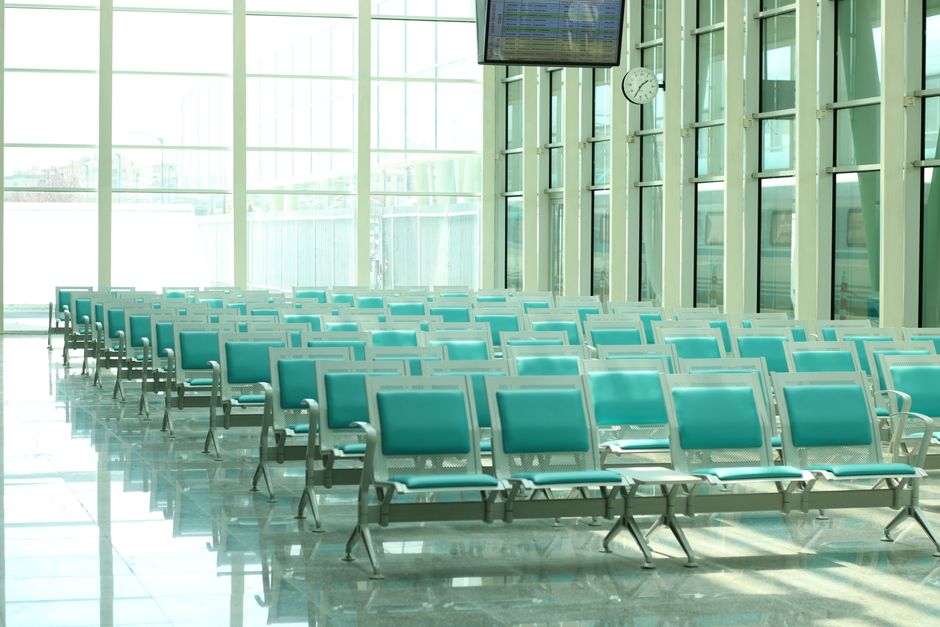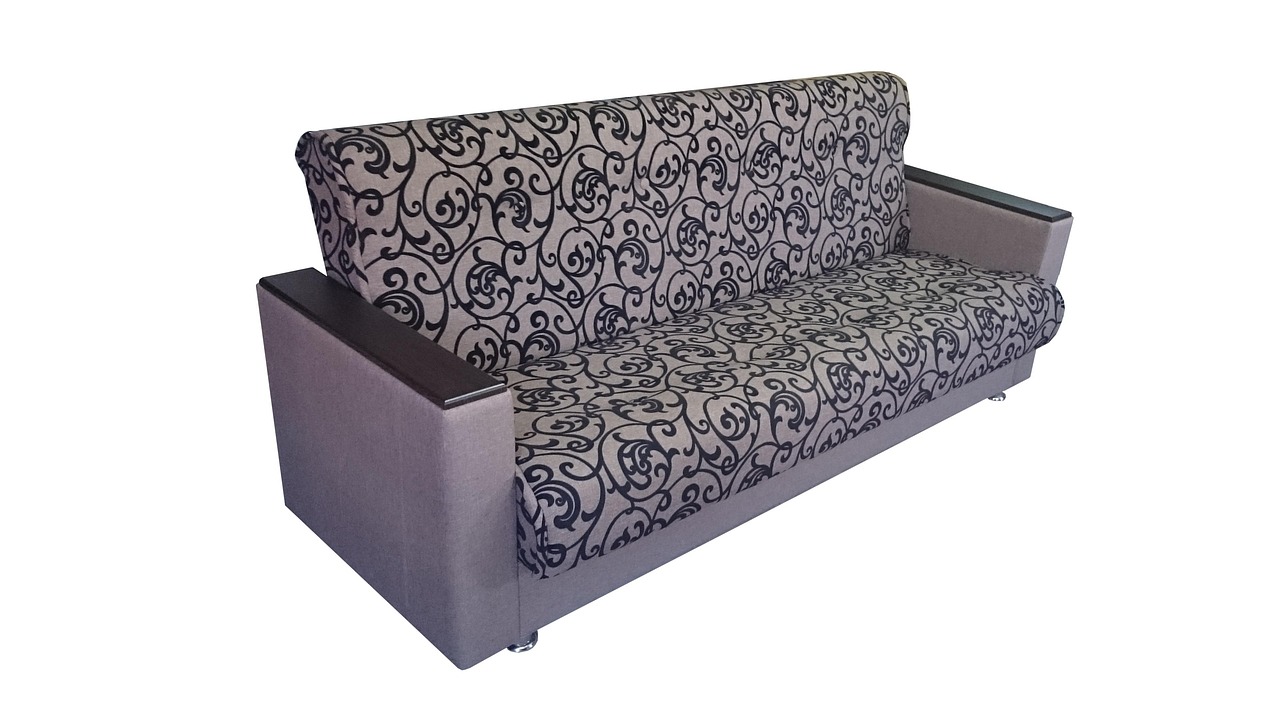
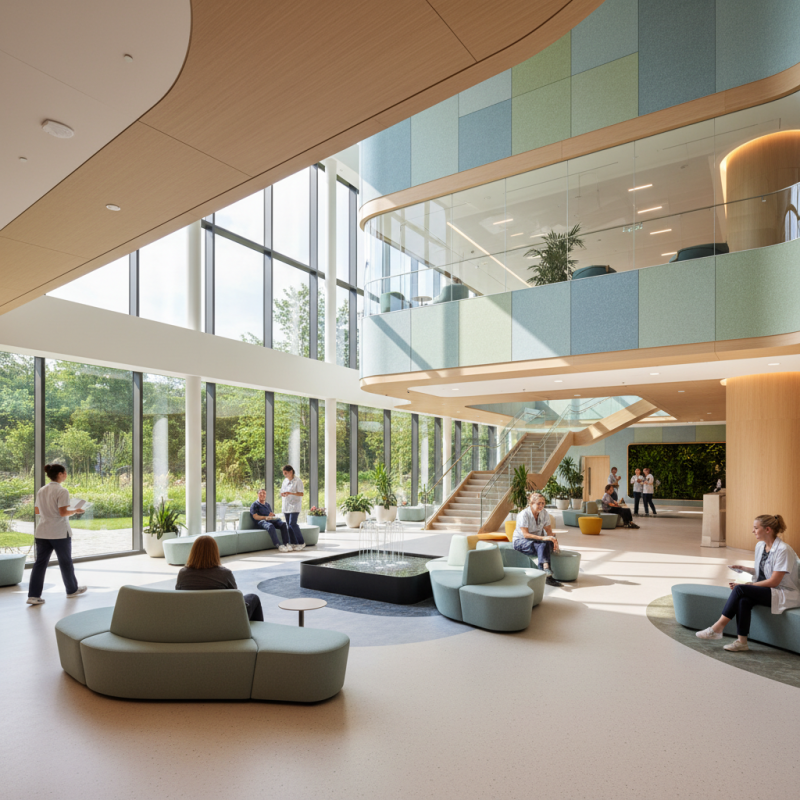
As healthcare keeps evolving, so does the world of Healthcare Design. It’s pretty clear that the focus is shifting toward creating spaces that help patients recover faster and make life a bit easier for staff. These days, more and more global buyers are on the lookout for fresh, innovative ideas—especially those that put function and wellbeing front and center.
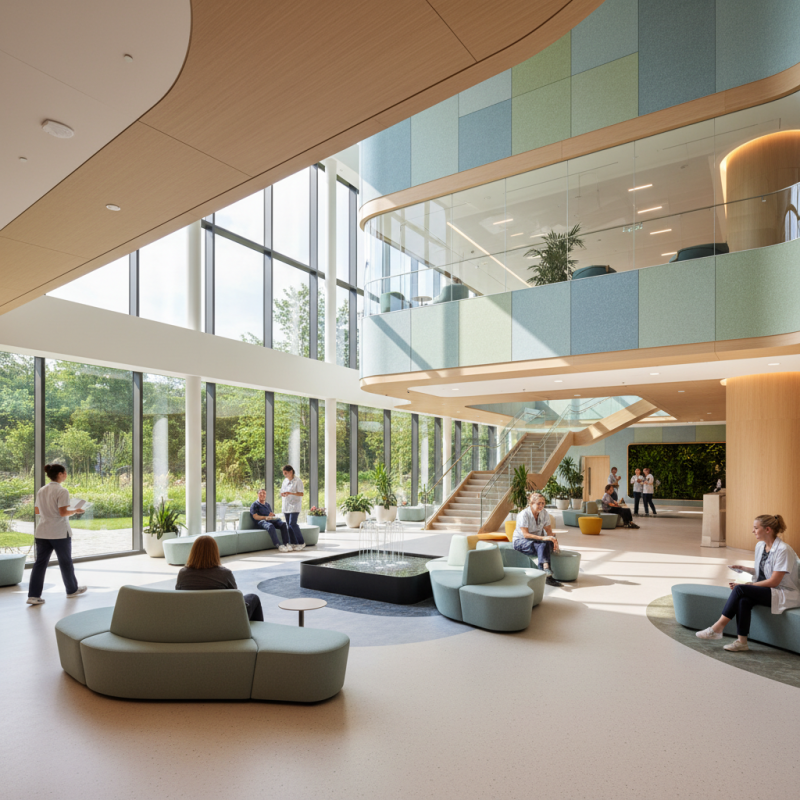
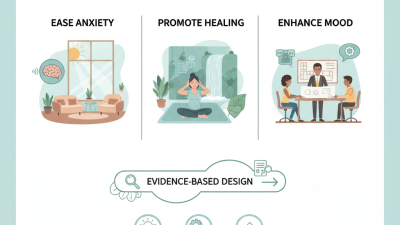
One trend leading the charge is [Evidence-Based Healthcare Interior Design](https://www.zhobaimf.com/evidence-based-healthcare-interior-design). It’s where style meets science, blending good looks with solid research. Think about things like letting in natural light, controlling noise levels, and choosing materials that actually promote healing. And the coolest part? Designers are increasingly listening to feedback from both patients and staff, making sure those spaces really serve their needs.
Of course, it’s not all perfect. There are still plenty of facilities out there that haven’t quite caught up — they still feel a bit cold or sterile, not particularly welcoming. Looking at these areas for improvement actually helps push the whole industry forward. By staying open to change and always striving to do better, we can create healthier, more inviting environments for everyone involved.
In the end, it’s all about embracing innovation and recognizing that better design can truly make a difference in healthcare settings—making them not just functional, but also more human and comforting.
[Hide]
Emerging Technologies Shaping Healthcare Facility Designs
Emerging technologies are revolutionizing healthcare facility designs.
Virtual reality (VR), for instance, is being used for spatial planning.
According to a report by the American Institute of Architects, VR can decrease design errors by up to 30%.
This technology allows stakeholders to visualize spaces before they are built.
Sustainable design practices are also on the rise.
Healthcare facilities that prioritize sustainability often report reduced operational costs.
A study published in the Journal of Sustainable Healthcare found that green design can lead to energy savings of up to 25%.
Incorporating natural light and improving air quality are key focuses.
These elements enhance patient recovery rates and staff productivity.
Another trend is the use of artificial intelligence (AI) in space optimization.
AI can analyze patient flow and adjust layouts dynamically.
By using AI analytics, hospitals can continually improve patient satisfaction.
However, there’s a need to reflect on the balance between technology and human interaction in design.
How much automation is beneficial before it detracts from patient care?
Exploring Healthcare Interior Design Case Studies
will highlight these complexities and possibilities.
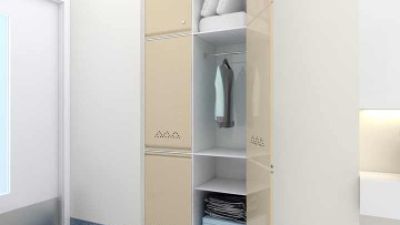
Essential Features and Benefits of Customized Stainless Steel Storage Cabinets for Healthcare Settings
Customized stainless steel storage cabinets offer an ideal solution for healthcare settings, such as hospitals, hotels, and doctor’s offices. These cabinets are designed not only for functionality but also to ensure a hygienic environment. Stainless steel is inherently resistant to bacteria and easy to clean, making it a perfect choice for patient rooms where cleanliness is paramount. By incorporating tailored designs, these cabinets can fit seamlessly into various spaces and meet the specific storage needs of healthcare professionals.
In addition to their hygienic properties, the durability of customized stainless steel cabinets makes them a long-lasting investment. They can withstand the rigorous daily demands of healthcare environments, maintaining their appearance and functionality over time. The modern aesthetic of these cabinets enhances the overall look of healthcare facilities, promoting a positive atmosphere for both patients and staff. With features designed for efficient organization, healthcare providers can easily access essential tools and supplies, ultimately improving workflow and patient care.
FAQS
: What are the benefits of flexible healthcare facility layouts?
: Flexible layouts allow healthcare providers to swiftly adapt to changing patient needs. They improve patient-centered care.
How do modern nurse stations contribute to healthcare efficiency?
Modern nurse stations are placed in patient care areas. This enhances communication and improves monitoring, reducing response times.
What percentage of healthcare planners are considering flexible designs?
A recent report indicates that 45% of healthcare planners are exploring flexible layouts for upcoming projects.
Why is incorporating nature in healthcare design important?
Biophilic design reduces stress and anxiety. Access to nature can lower recovery times significantly, benefiting patients’ well-being.
What are some elements of biophilic design in healthcare?
Natural light, greenery, and water features are key elements. They create a calming atmosphere for patients and staff.
What challenges exist when integrating nature into health facilities?
Space and budget constraints can limit integration. Some designs may not resonate well with users in practical settings.
How do nature views affect patient recovery?
Patients with views of nature experience 22% less pain after surgery. This highlights the importance of biophilic elements.
What concerns accompany the implementation of flexible layouts?
Some traditional layouts resist change. Training for staff is necessary for adapting to new designs and workflows.
How can healthcare designs be improved?
Continuous research is needed to ensure designs meet user needs. Balancing aesthetics with function is essential for success.
What is key to effective healthcare design?
Striking a balance between adaptability and functionality remains crucial. Both staff and patient needs must be considered carefully.
Conclusion
The evolving landscape of healthcare design is significantly influenced by emerging technologies, which are reshaping the architectural frameworks of healthcare facilities. New innovations, such as smart systems and IoT integration, enhance operational efficiency and patient care quality. Additionally, there is a growing emphasis on sustainability, with modern healthcare architecture increasingly adopting eco-friendly practices that minimize environmental impact.
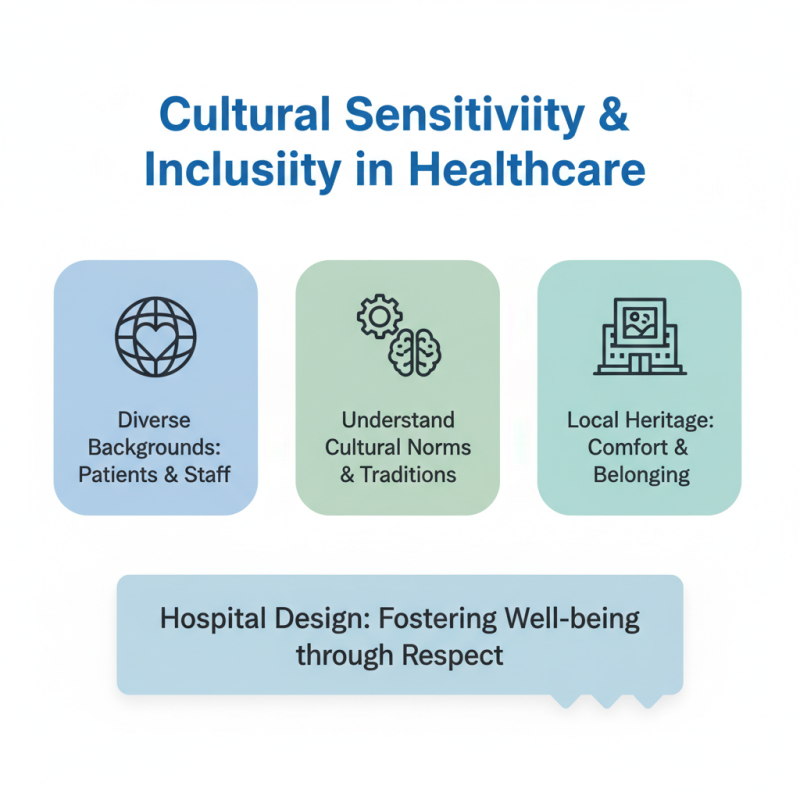
Furthermore, patient-centric design is at the forefront, focusing on creating environments that enhance comfort and promote healing. Trends also include flexible and modular layouts, allowing facilities to adapt to changing needs. Incorporating nature and biophilic elements fosters a healthier atmosphere, while cultural sensitivity and inclusivity ensure that diverse patient populations feel welcomed. Overall, these trends reflect a holistic approach to healthcare design, prioritizing both functional and emotional aspects of care environments.
Related Posts
-
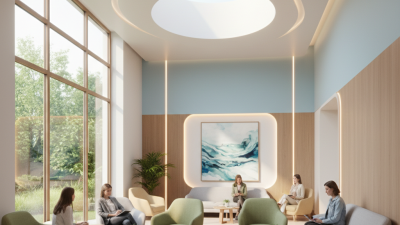
How to Improve Healthcare Design for Better Patient Experience?
-
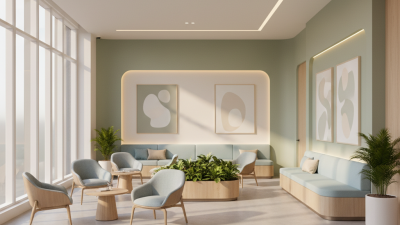
Best Clinic Design Ideas for Modern Healthcare Facilities?
-
How to Improve Healthcare Design for Better Patient Experience?
-
Why is Diagnostic Furniture Essential for Healthcare Facilities?
-
Top OEM Custom Hospital Furniture Suppliers You Should Know?
-

How to Choose the Right Custom ODM Medical Disinfector Factories?