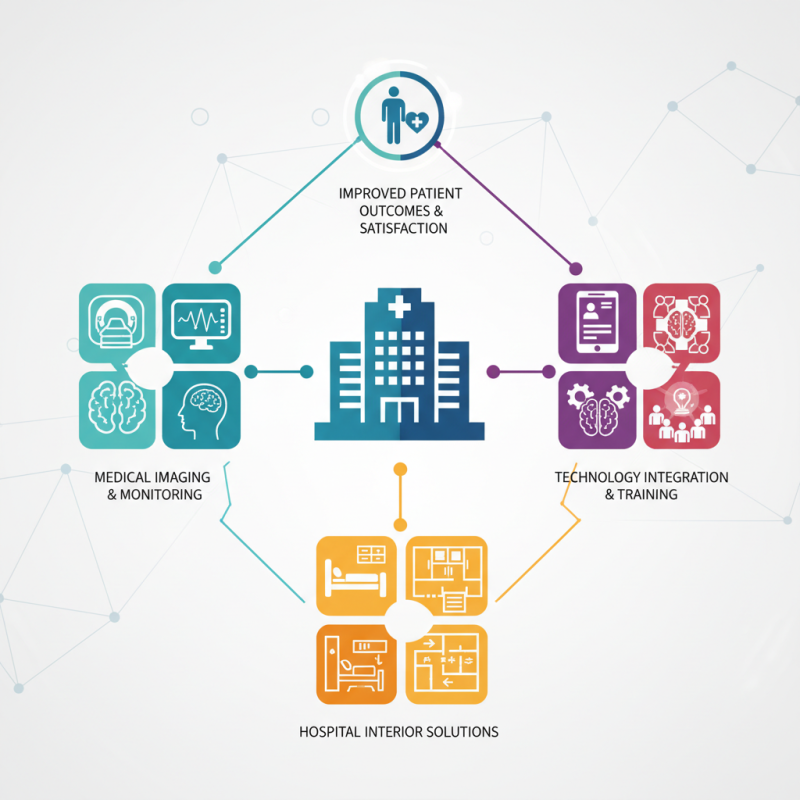
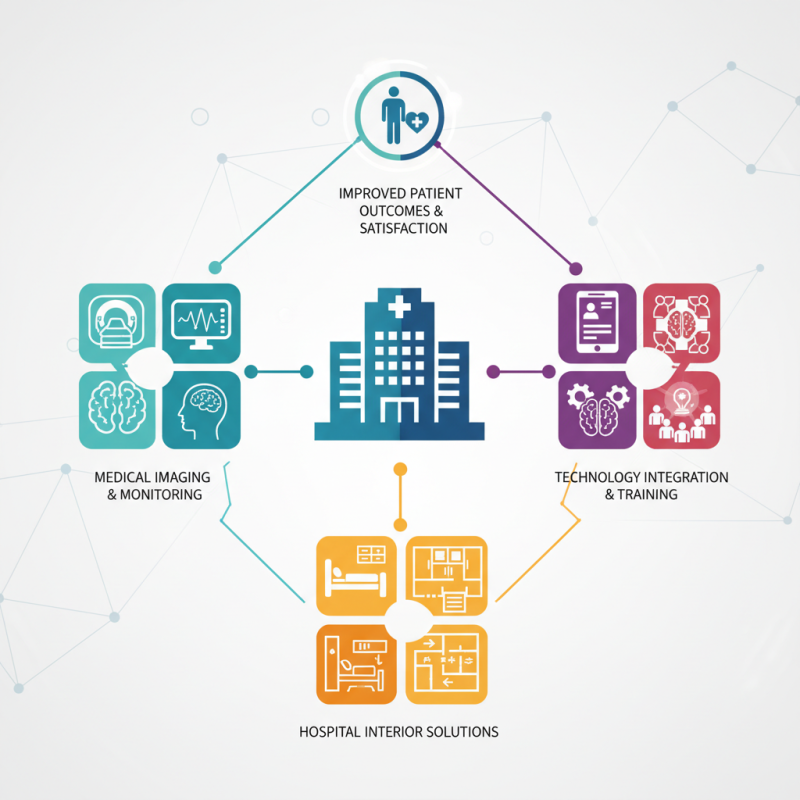
Lately, there’s been a pretty noticeable uptick in the demand for high-tech hospital solutions in China. A lot of that comes from hospitals really wanting to upgrade their facilities and offer better care. Companies are scrambling to keep up with this trend, coming up with innovative tech to meet the need. Take Shanghai United Imaging Healthcare, for example— they’re really leading the charge with medical imaging tech. And then there’s Mindray, which is pretty well-known for their patient monitoring systems.
One area that’s super important is improving hospital interior solutions. Those upgrades aren’t just about making things look nicer—they actually help patients feel more comfortable and make hospital operations run smoother. The thing is, many hospitals struggle when it comes to designing the right layouts or integrating new tech smoothly. That complexity can lead to delays or issues with patient care, which no one wants.
Even with all these advancements, there’s definitely still room for improvement. Hospitals need to invest more in training their staff so they can really get the most out of new technologies. Also, everyone involved should think about what different hospitals actually need—what works for one might not work for another. Striking a good balance between looks and functionality is key if we want to create spaces that are both welcoming and efficient. Focusing on these areas could really make a difference when it comes to patient satisfaction and outcomes.
[Hide]
Overview of Healthcare Landscape in China
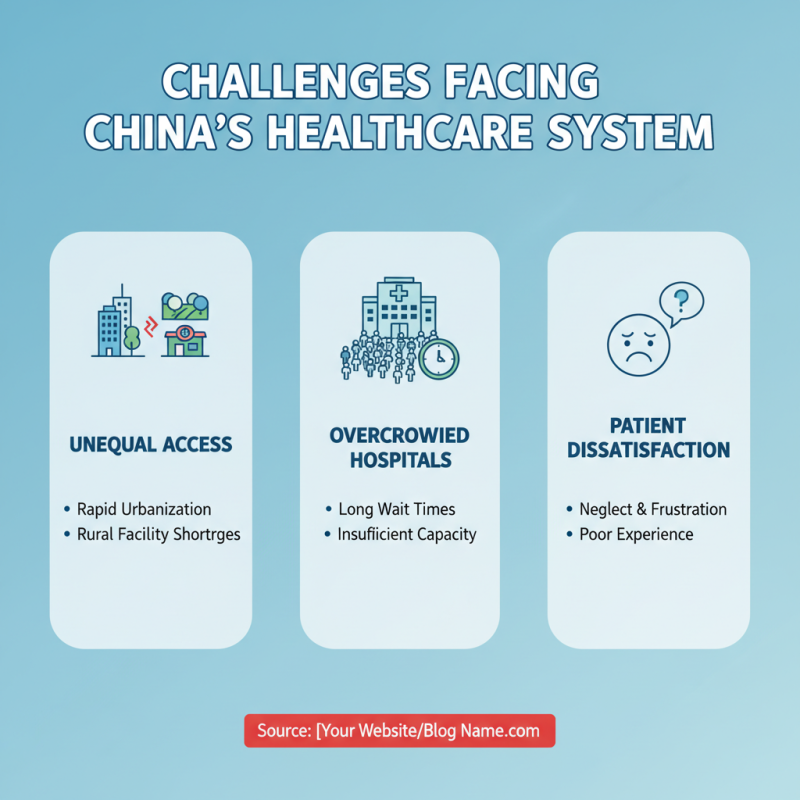
The healthcare landscape in China is rapidly evolving. Over the past decade, significant investments have been made to improve medical facilities and services. Many cities have seen the rise of advanced hospitals equipped with cutting-edge technology. However, disparities remain between urban and rural healthcare access.
In rural areas, many patients face challenges in receiving timely medical attention. Shortages of medical professionals and limited resources hinder their care. Urban hospitals are often overwhelmed with patients, leading to long wait times. This situation prompts a need for better distribution of healthcare resources.
China’s government aims to bridge these gaps. Policies are being enacted to enhance healthcare services across the nation. Nonetheless, there is still much work to be done. Improving the overall healthcare system requires collaboration among various stakeholders. Addressing these issues may ensure that all citizens receive the healthcare they deserve.
Top Hospital Solutions in China – Overview of Healthcare Landscape
| Dimension | Details |
|---|---|
| Healthcare System Type | Public and Private Hospitals |
| Number of Hospitals | Approximately 34,000 |
| Top Specialties | Cardiology, Oncology, Orthopedics |
| Funding Model | Government and Out-of-Pocket Payments |
| Technological Adoption | EMR systems, Telemedicine |
| Patient Volume (Annual) | Over 4 billion visits |
| Health Insurance Coverage | Approximately 95% of population |
| Challenges | Access, Quality disparities, Urban vs Rural |
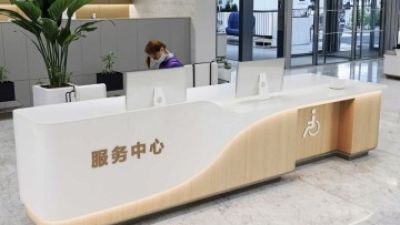
Designing the Perfect Modern Metal Nurse Station and Beauty Salon Consultation Desk for Efficient Reception Experiences
In the evolving landscape of healthcare design, the nurse station’s role significantly impacts both operational efficiency and patient experience. A well-designed nurse station, such as a customizable desk measuring approximately 40” H x 144” W x 48” D, can incorporate essential features like sanitizable blue-white laminate surfaces and multi-staff workspaces, which are critical in demanding environments like hospitals and clinics. According to the Healthcare Design Magazine, effective nurse station layouts can enhance staff communication and workflow, potentially reducing patient wait times and improving overall satisfaction by up to 30%.
Furthermore, integrating design elements such as dual-language “Nurse Station” labeling caters to the diverse populations that many healthcare facilities serve. This aspect not only aids wayfinding but also promotes inclusivity—an increasingly vital factor in modern healthcare practice. Reports indicate that patient-centered design, which includes calming aesthetics and efficient work practices, contributes to improved staff morale and can lead to a decrease in burnout, crucial in today’s fast-paced medical environment.
Additionally, the inclusion of integrated LED lighting in these designs not only provides essential illumination for tasks but also promotes a soothing atmosphere. A study published in the Journal of Environmental Psychology found that proper lighting in healthcare spaces can significantly lower patient anxiety levels. The seamless fusion of clinical compliance, staff efficiency, and visually calming spaces exemplified in modern nurse stations creates a holistic environment that addresses both provider and patient needs effectively.
FAQS
: How are government policies affecting hospital operations?
: Government policies influence funding, staffing, and resources in hospitals. Adaptation is crucial for maintaining care quality.
What challenges do hospitals face with government mandates?
Hospitals struggle with guidelines that may not reflect real-life situations. This can frustrate both staff and patients.
What is the focus of current healthcare initiatives in China?
Current initiatives often prioritize public health. This can stretch resources and challenge daily hospital operations.
How are hospitals in China approaching digital transformation?
More than 70% of hospitals are investing in telemedicine and AI. These technologies improve accessibility and operation efficiency.
What concerns exist around the use of data analytics in hospitals?
Real-time data analytics can enhance decision-making but raise serious data privacy concerns for patients.
How important is hospital furniture design to patient recovery?
Enhanced furniture design can improve recovery rates. Balancing comfort and functionality is essential for effective healing.
Are healthcare workers prepared for new technologies?
Only 50% of healthcare workers feel adequately trained for new systems. This skills gap can slow integration of new technologies.
What is the future of patient care in hospitals?
There is a strong push towards patient-centric care. Continuous evaluation of technologies and training is necessary.
Why is a holistic approach crucial for hospital solutions?
A holistic approach ensures all factors, including staff training and patient education, are integrated for better care outcomes.
Conclusion
The healthcare landscape in China is rapidly evolving, shaped by a mix of innovative technologies and strategic government policies. Key players in the hospital sector are adopting advanced Hospital Solutions that enhance patient care models and operational efficiency. These solutions include telemedicine, AI-driven diagnostics, and integrated health information systems, which are transforming the way hospitals deliver services.
However, the Chinese healthcare system faces challenges such as uneven access to care, resource allocation, and an aging population. Looking ahead, future trends suggest a shift towards patient-centric models and the continued integration of technology in hospital operations, aiming to address these challenges and improve healthcare delivery across the nation.
Related Posts
-
Best Medical Cabinet Options for Home Safety and Organization?
-
Top 10 OEM Custom Resuscitation Trolley Manufacturers You Should Know?
-
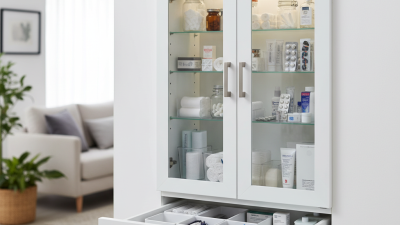
Top 10 Best Medical Cabinets for Home Storage Solutions?
-
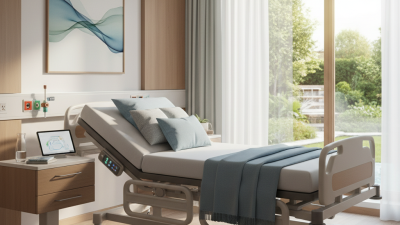
2026 Best Hospital Bed Options for Comfort and Recovery
-
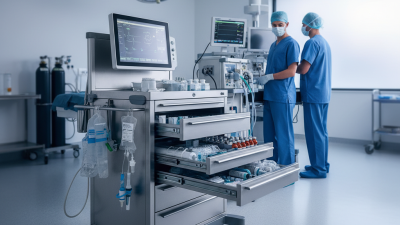
2025 How to Choose the Best Anesthesia Cart for Your Medical Practice
-
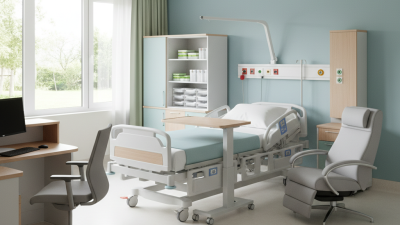
What is Healthcare Furniture? A Comprehensive Guide to Essential Medical Furniture