
The EU formaldehyde limit for medical furniture product classification hinges on one question: is the item a medical device under MDR 2017/745, or is it furniture subject to the REACH restriction? The answer determines whether you must meet the 0.062 mg/m³ emission limit or are exempt. This distinction is not intuitive—a bedside cabinet can be either—and getting it wrong can hold your shipment at customs or fail an EU market surveillance audit. For procurement teams, the decision starts with the intended use, not the product name.
Why the EU Formaldehyde Limit Creates a Classification Trap
Commission Regulation (EU) 2023/1464, which entered into force on 6 August 2026, sets a formaldehyde emission limit of 0.062 mg/m³ for articles placed on the EU market, including furniture and wood-based articles. However, the regulation explicitly exempts medical devices within the scope of MDR 2017/745. This creates a binary: if your product is a medical device, it is out of scope; if it is not, it must comply with the limit. The trap is that many hospital furniture items—overbed tables, wardrobes, nurse stations—are not automatically medical devices. They are furniture with a healthcare application. Unless the manufacturer has gone through the MDR classification process, the REACH limit applies.
Learn more about our factory.
For a buyer, this means you cannot assume a product is exempt just because it is sold to a hospital. You must verify the intended medical purpose and the supplier’s regulatory documentation. As ECHA guidance clarifies, the exemption is narrow and tied to the device definition under MDR.

Medical Device Exemption: When Does MDR Apply to Furniture?
The MDR defines a medical device as an instrument, apparatus, or article used for diagnosis, prevention, monitoring, or treatment of a disease, or for investigation of physiological processes. For furniture to qualify, it must have a specific medical function beyond simple support. For example, an examination couch used for patient diagnosis may be a medical device, but a general-purpose waiting room chair is not. The European Commission’s Regulation (EU) 2023/1464 does not define which furniture items are medical devices; it defers to MDR classification.
In practice, this means a hospital bed with electric height adjustment, side rails, and patient monitoring integration is likely a medical device under MDR Rule 1 or 2. A simple wooden bedside cabinet, even if used in a patient room, is not. The distinction is not always clear, and manufacturers often avoid MDR classification because of the cost and regulatory burden. As a buyer, you need to ask: does the supplier have a CE mark under MDR for this product? If not, it is furniture and subject to the formaldehyde limit.
One practical test: if the product’s primary function is to support a medical procedure (e.g., a treatment chair for dialysis), it may be a device. If it is for general storage or seating, it is furniture. This is a critical distinction because the compliance path and documentation differ entirely.
Classification Criteria: How to Determine Your Product’s Status
To classify a product, you must evaluate its intended use as stated by the manufacturer. The EU Medical Device Coordination Group (MDCG) guidance on borderline products provides a framework. Key questions include:
- Does the product have a medical purpose stated in the labeling or instructions?
- Is the product specifically designed for a medical function, or is it generic furniture adapted for healthcare?
- Does the product require a prescription or is it sold only to healthcare professionals?
- Is the product covered by an existing MDR certificate?
If the answer to these is no, the product is furniture. This classification is not optional—it determines which regulation applies. For example, a TÜV SÜD guide on formaldehyde in furniture explains that testing is required for articles that are not medical devices. If you are unsure, request a written classification statement from the supplier, backed by a rationale.
Compliance Steps for Furniture: Testing and Documentation
If your product is classified as furniture, you must ensure it meets the 0.062 mg/m³ limit. This requires emission testing in a chamber according to EN 16516 or similar standards. The supplier must provide a test report from an accredited laboratory. For a procurement team, this means adding a testing requirement to your RFQ. Do not accept a general statement of compliance; ask for the specific test report and the batch number.
Documentation should include a Declaration of Conformity (DoC) referencing Regulation (EU) 2023/1464, the test report, and a technical file that shows the materials used (e.g., E0-grade MDF, low-emission adhesives). The European Chemicals Agency (ECHA) provides guidance on the restriction, but the responsibility for compliance lies with the manufacturer or importer. As a buyer, you should verify that your supplier has this documentation before placing an order.
For products that are borderline, you may want to request a legal classification opinion from a notified body or regulatory consultant. This adds cost but reduces risk. In our experience at Zhobai Medical Furniture, we have seen projects where a client assumed a product was a medical device, only to find it was not, leading to a stop at customs. We always recommend a pre-shipment audit of the classification and test reports.
Procurement Considerations: RFQ, Inspection, and Supplier Qualification
When sourcing from overseas, you need to build classification and compliance into your procurement process. Here is a practical checklist:
- RFQ: Ask the supplier to state the product classification (medical device vs. furniture) and provide the relevant EU declaration.
- Test reports: Request a formaldehyde emission test report from an ISO 17025 accredited lab, showing the 0.062 mg/m³ limit.
- Material specification: Specify low-emission materials, such as E0 or E1 grade boards, and require documentation of the board supplier.
- Inspection: Include a mid-production inspection to verify materials and check for any changes that could affect emissions.
- Supplier qualification: Verify that the supplier has experience exporting to the EU and understands the regulation. Ask for references from EU projects.
At Zhobai, we have integrated these checks into our standard export process. For example, our factory uses E0-grade boards for all EU-bound furniture and provides test reports on request. We also offer third-party inspection at the mid-production milestone, as covered in our EU formaldehyde compliance guide.
Decision Table: Furniture vs. Medical Device Classification
| Product Type | Intended Use | Classification | Compliance Requirement |
|---|---|---|---|
| Hospital bed with electric controls | Patient care, monitoring | Medical device (MDR) | MDR CE marking; exempt from REACH formaldehyde limit |
| Bedside cabinet | Storage of personal items | Furniture | REACH limit 0.062 mg/m³; test report required |
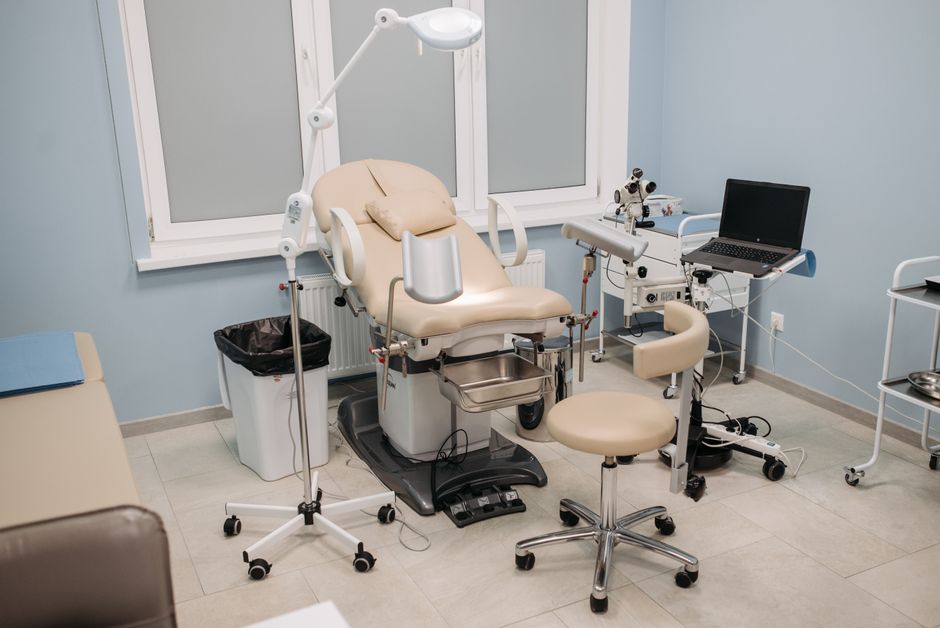
| Examination couch | Patient examination | Medical device (MDR) | MDR CE marking; exempt |
| Waiting room chair | Seating | Furniture | REACH limit; test report required |
Practical Steps to Protect Your Shipment
To avoid delays, take these steps before you place an order:
- Request a written classification statement from the supplier, including the rationale.
- Ask for the formaldehyde test report and verify the laboratory’s accreditation.
- Include a clause in your contract that the supplier must comply with EU regulations and provide documentation.
- Conduct a pre-shipment inspection that includes a review of the technical file.
- If you are importing into multiple EU countries, check if any national authorities have additional requirements.
We have seen too many shipments stopped because the paperwork was incomplete. A simple check can save weeks of delay and thousands in storage costs. As a supplier, we ensure our EU-bound products are tested and documented, but we also encourage buyers to verify independently.
Frequently Asked Questions
Does the EU formaldehyde limit apply to all medical furniture?
No. It applies to articles that are not medical devices under MDR. If the product is a medical device, it is exempt from the REACH restriction. However, most standard furniture like cabinets and chairs are not medical devices and must comply.
What if my supplier cannot provide a formaldehyde test report?
This is a red flag. Without a test report, you cannot prove compliance. Consider switching to a supplier who can provide one, or budget for independent testing.
Can a product be classified as a medical device to avoid the formaldehyde limit?
Only if it genuinely meets the MDR definition. Misclassification is illegal and can lead to penalties. Always consult a regulatory expert if you are unsure.
Classification is not a paperwork formality—it is the foundation of your compliance strategy. Verify the intended use, demand documentation, and test the product. That is the only way to ensure your shipment clears customs and passes market surveillance. If you need a partner who understands these requirements, our team at Zhobai Medical Furniture has managed EU-bound projects with full documentation. We are ready to support your next procurement.
Deepening the Classification Review: Practical Steps for Overseas Buyers
When you are sourcing medical furniture from overseas, the classification decision is not just a technicality—it is a commercial risk that you must manage from the first inquiry. The EU formaldehyde limit for medical furniture product classification is a moving target, and your supplier may not have the same level of awareness as you do. To protect your shipment and your reputation, you need to embed classification checks into every stage of your procurement process. This means going beyond the basic RFQ and asking the right questions, verifying documents, and planning inspections that focus on the actual product and its intended use.
RFQ Questions That Clarify Classification and Compliance
Your request for quotation (RFQ) is the first opportunity to set the tone. Do not just ask for a price and lead time. Include specific questions that force the supplier to think about the EU formaldehyde limit and the medical device classification. For example, ask the supplier to confirm in writing whether the product is intended to be a medical device under MDR 2017/745 or if it is classified as furniture. Request a brief rationale for that classification, referencing the intended use and any applicable MDR rules. This will help you identify suppliers who are guessing or who have not done their homework.
Additionally, ask for the exact formaldehyde emission test method and the laboratory that will perform the test. The EU limit of 0.062 mg/m³ is based on chamber testing according to EN 16516 or equivalent. If the supplier cannot name the standard or the lab, that is a red flag. Also, ask for the material specifications, such as the type of board (e.g., MDF, particleboard) and its grade (E0, E1, etc.). This information is crucial because the raw materials determine the emission levels. You should also request a copy of the supplier’s quality management system certificate, such as ISO 9001, to ensure they have consistent production controls.
Document Checks: What to Verify Before You Place an Order
Once you receive the RFQ responses, you must verify the documents. Do not rely on a simple statement of compliance. Ask for the full test report from an ISO 17025 accredited laboratory. Check that the report shows the product name, model number, and the test result in mg/m³. The report should be dated within the last 12 months, as emissions can change with production batches. Also, request a Declaration of Conformity (DoC) that explicitly references Regulation (EU) 2023/1464 and states that the product meets the 0.062 mg/m³ limit. If the product is claimed to be a medical device, ask for the CE certificate under MDR and the notified body number. Verify that the certificate covers the specific product model and that it is still valid.
Another critical document is the technical file. This should include a list of all materials and components, with their suppliers and emission data. If the supplier uses a sub-supplier for boards, they should provide the board manufacturer’s test report. You should also ask for a written classification statement from the supplier, signed by a responsible person, explaining why the product is or is not a medical device. This statement can be used as evidence if there is a dispute with customs or market surveillance authorities.
Approval Milestones: Building Compliance into Your Project Plan
To avoid surprises, you should set clear approval milestones in your purchase agreement. For example, the first milestone could be the approval of the technical file and test reports before production begins. This ensures that the supplier has the correct materials and that the product design will meet the emission limit. The second milestone could be a mid-production inspection, where you or a third-party inspector checks the materials being used and verifies that they match the approved specifications. This is especially important if the supplier uses different board suppliers for different batches. The third milestone could be a pre-shipment inspection, where you review the finished products and the final documentation. At this stage, you should also verify that the packaging is appropriate and that the products are labeled correctly, if required.
By setting these milestones, you can stop problems early. For example, if the mid-production inspection reveals that the supplier is using a non-compliant board, you can halt production and avoid a costly recall. This is much better than discovering the issue after the goods have arrived in the EU.
Inspection Planning: What to Check During Production and Pre-Shipment
Inspections are not just about checking the physical product. They are also about verifying the compliance process. During a mid-production inspection, you should ask to see the material storage area and check that the boards are labeled with their grade and emission class. You should also request to see the production records for the batch, including the date of manufacture and the board supplier. If possible, take a sample of the board and send it to an independent lab for a quick emission test. This is an extra cost, but it can save you from a major failure later.
During the pre-shipment inspection, you should check the finished product for any signs of damage or poor workmanship that could affect emissions, such as exposed edges or unsealed surfaces. Also, verify that the product is assembled correctly and that all components are included. Review the packaging to ensure it is suitable for transport and that it does not introduce any additional formaldehyde sources, such as certain types of foam or adhesives. Finally, check that the product is labeled with the model number, batch number, and any required markings, such as the CE mark if it is a medical device.
Packaging Review: Ensuring Your Product Arrives Compliant
Packaging is often overlooked, but it can affect the formaldehyde emissions of the product. For example, if the packaging materials contain formaldehyde, they can off-gas and contaminate the product during transit. This is especially relevant for long sea shipments where the container is sealed for weeks. To avoid this, you should specify that the packaging must be free from formaldehyde-based adhesives and that the product should be wrapped in a breathable material to allow any residual emissions to escape. You should also require that the packaging is suitable for the product’s size and weight to prevent damage that could expose untreated surfaces.
During the packaging review, ask the supplier to provide a packaging specification sheet that lists all materials used. Check that the supplier uses low-emission packaging, such as recycled cardboard without formaldehyde-based coatings. If you are unsure, you can request a packaging emission test, but this is rarely necessary. More importantly, ensure that the product is packed in a way that it does not come into direct contact with any materials that could transfer formaldehyde, such as certain types of foam or plastic films.
Handover Responsibilities: Who Does What at Each Stage
Clear handover responsibilities are essential to avoid confusion and delays. In your contract, define who is responsible for what at each stage of the process. For example, the supplier is responsible for providing accurate classification and test reports. You are responsible for verifying those documents and for conducting inspections. The supplier is responsible for ensuring that the production process is consistent and that the materials meet the specifications. You are responsible for communicating any changes in requirements, such as a new regulation or a different target market.
At the handover, which is typically at the point of shipment, you should have a checklist that includes all the required documents. The supplier should provide the commercial invoice, packing list, bill of lading, and the compliance documents. You should verify that all documents are consistent and that the product description matches the classification. If there is any discrepancy, you should resolve it before the goods are shipped. This is your last chance to prevent a problem.
Building a Long-Term Compliance Relationship
Finally, consider building a long-term relationship with your supplier that includes regular compliance reviews. The EU formaldehyde limit and the medical device classification are not static. Regulations can change, and your product line may evolve. By establishing a process for ongoing compliance, you can ensure that your products continue to meet the requirements. This might include annual audits of the supplier’s production and testing processes, as well as periodic re-testing of the products. It also means staying informed about any updates to the EU regulations and communicating them to your supplier.
In summary, the EU formaldehyde limit for medical furniture product classification is not a one-time check. It is a continuous process that requires active involvement from both the buyer and the supplier. By asking the right questions, verifying documents, setting milestones, planning inspections, reviewing packaging, and defining handover responsibilities, you can minimize the risk of non-compliance and ensure a smooth import process. Remember, the goal is not just to get the product into the EU, but to do so in a way that is legally compliant and safe for patients and healthcare workers.
ZHOBAI Medical Furniture
Ready to Apply These Principles to Your Project?
Our engineering team responds to all project briefs within 24 hours. Share your FF&E scope — room count, property type, target timeline, and budget range — and we’ll provide a factory-direct assessment and indicative pricing within one business day.